








Customer line 9 am - 6 pm: +420 774 590 258 | Do you need help?
| Price in e-shop with VAT: | 462,70 € |
|
Stock
Tuesday 24.11. you can have it at the Nademlejnská central store Wednesday 25.11. it can be at your place |
|
|
|
Buy |
| Buy | |
|
35 years in business = safe shopping and professional service |
|
Don't know how to choose? Are some parameters not clear to you? Write us your question and we will contact you with an answer.
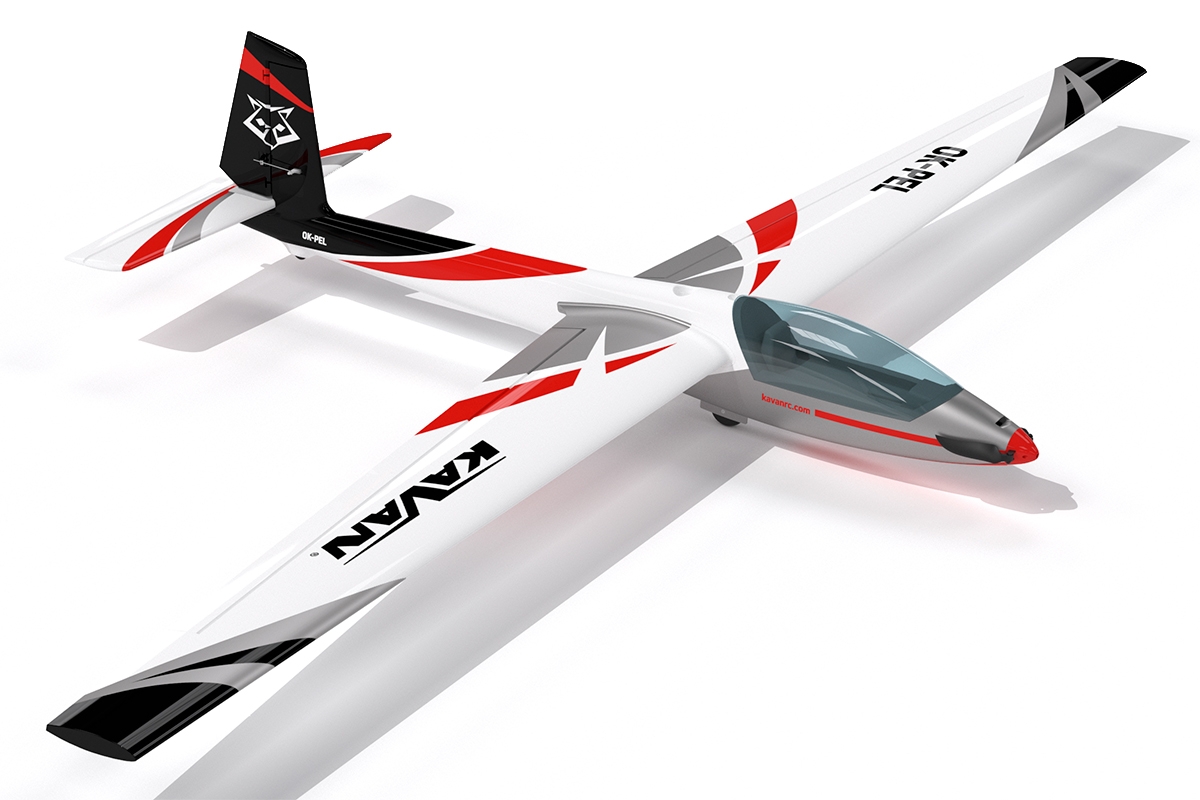
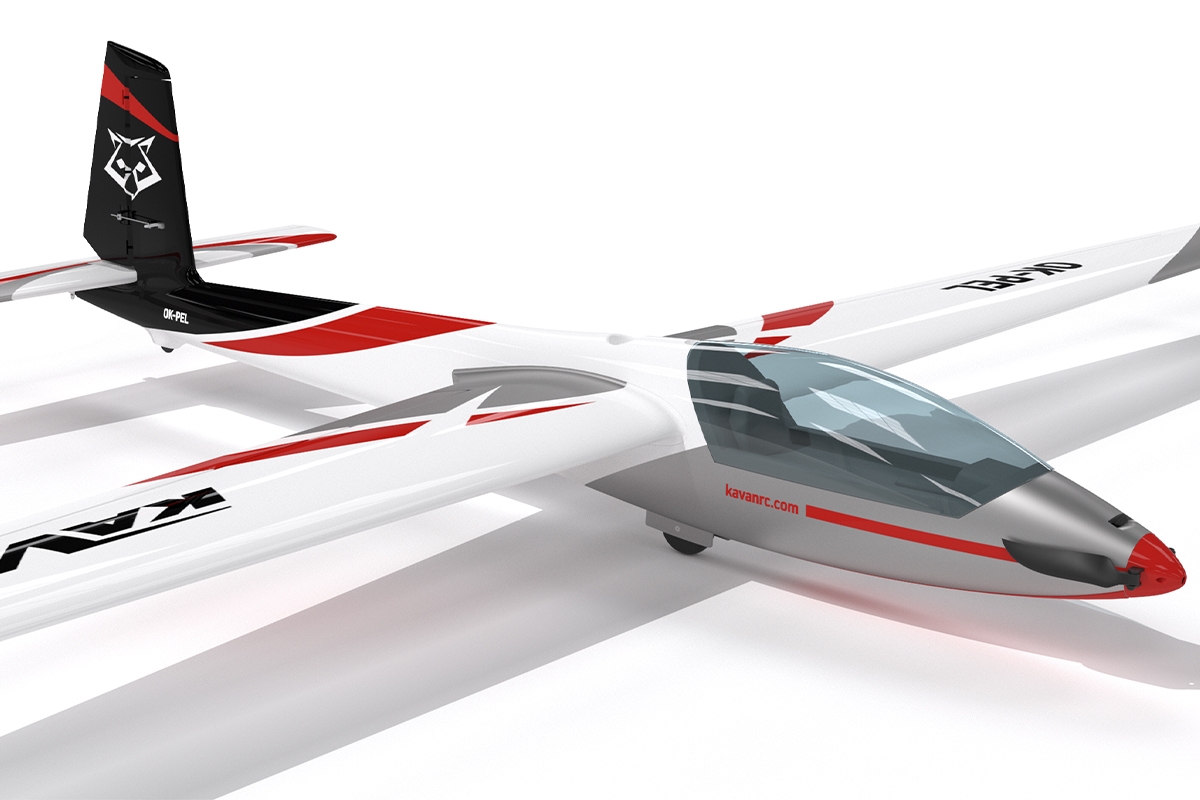
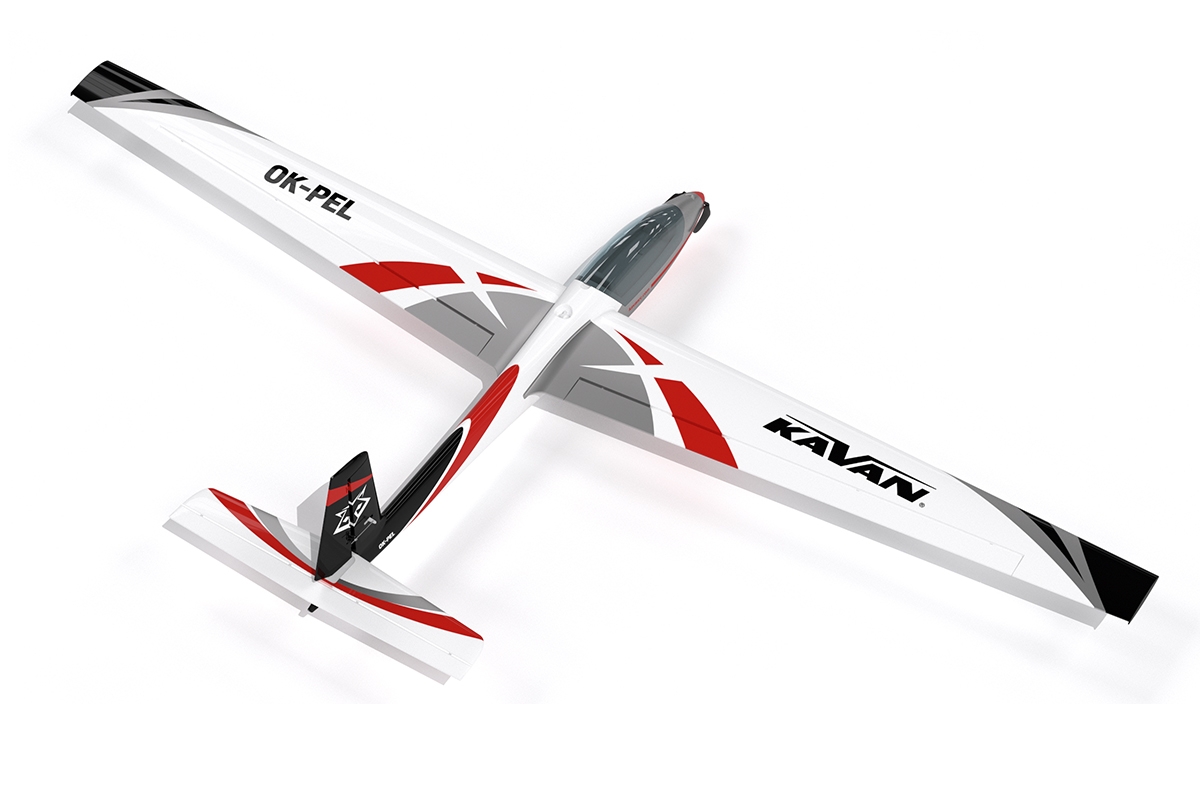
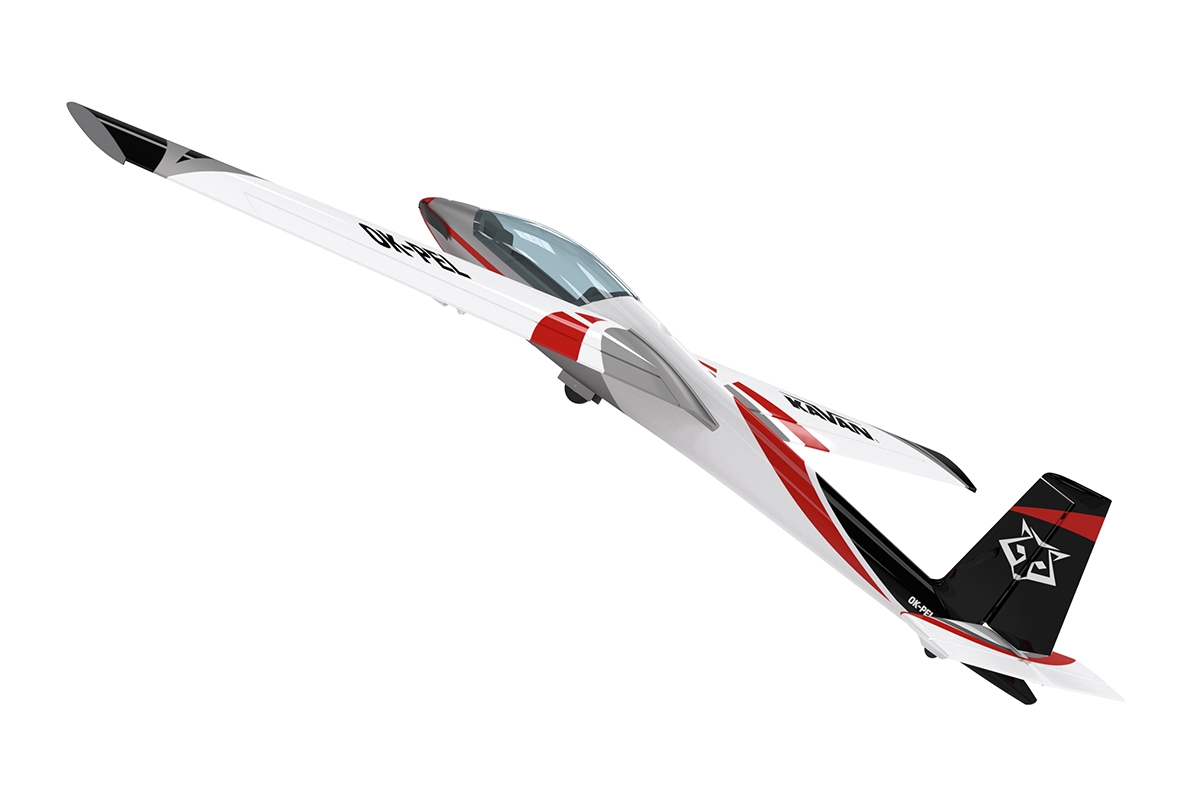
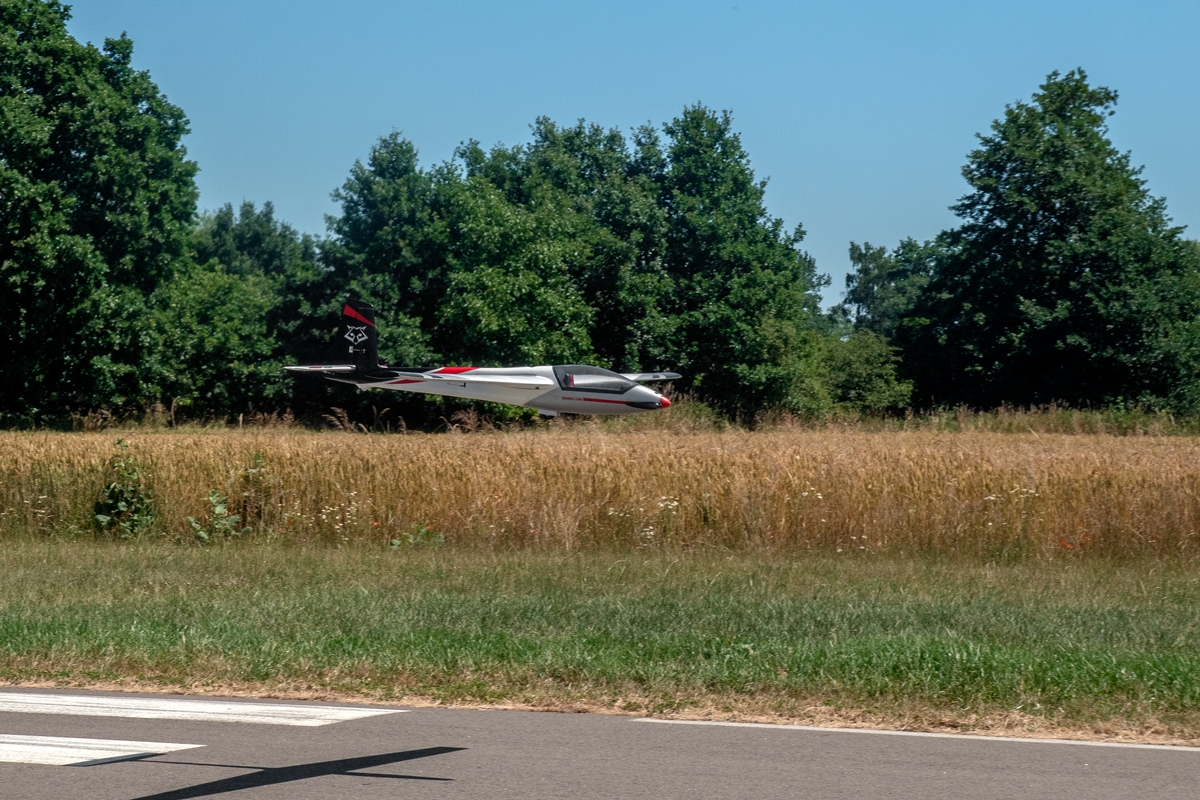
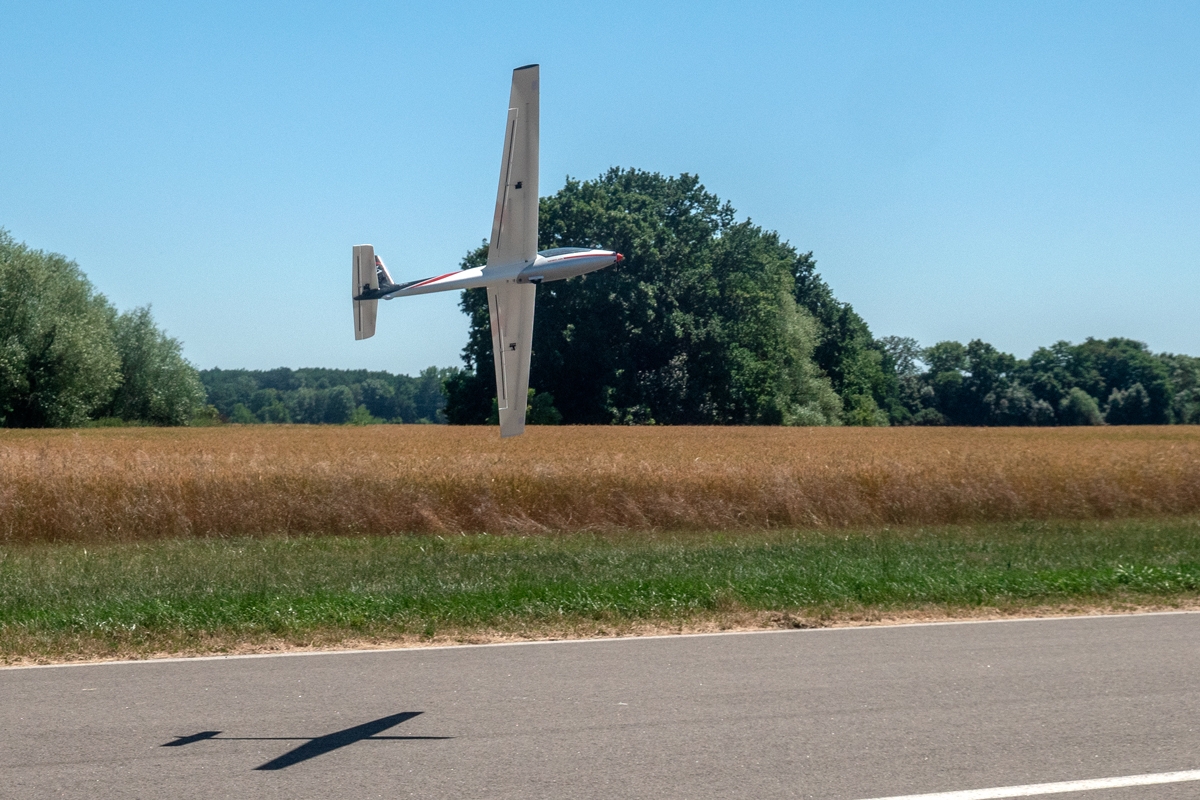
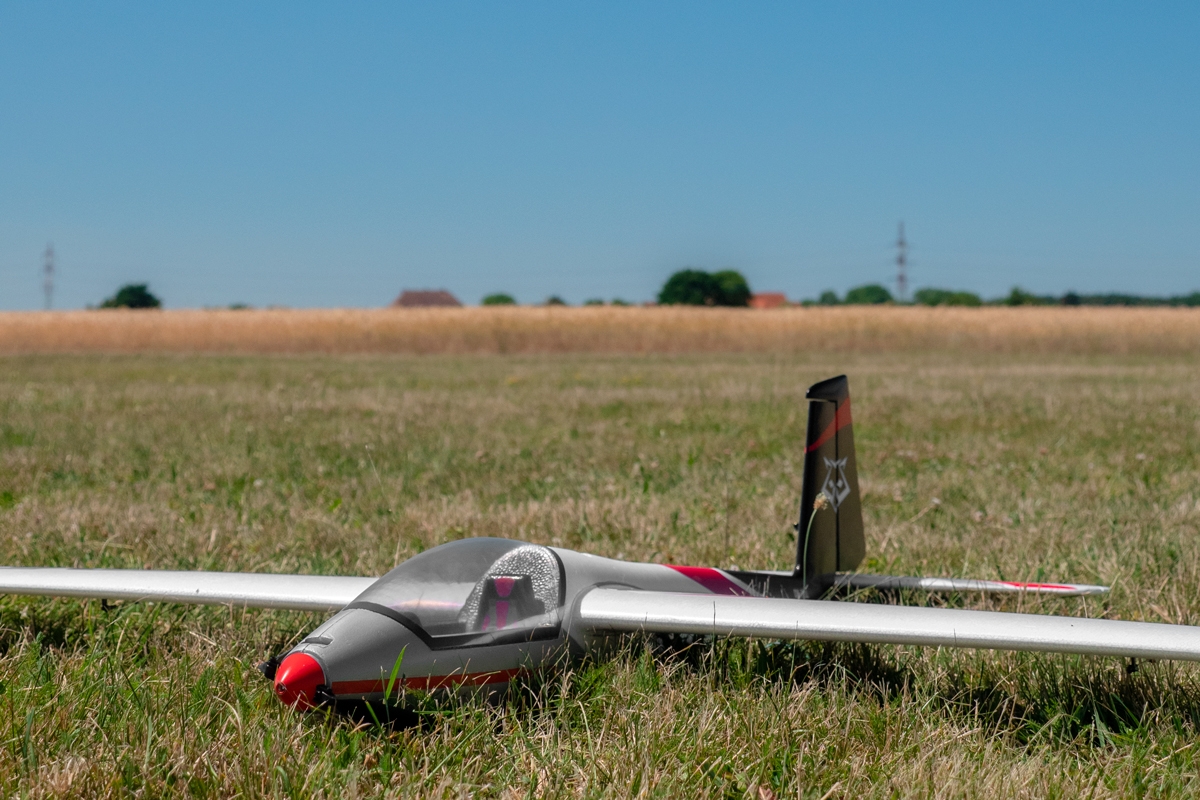
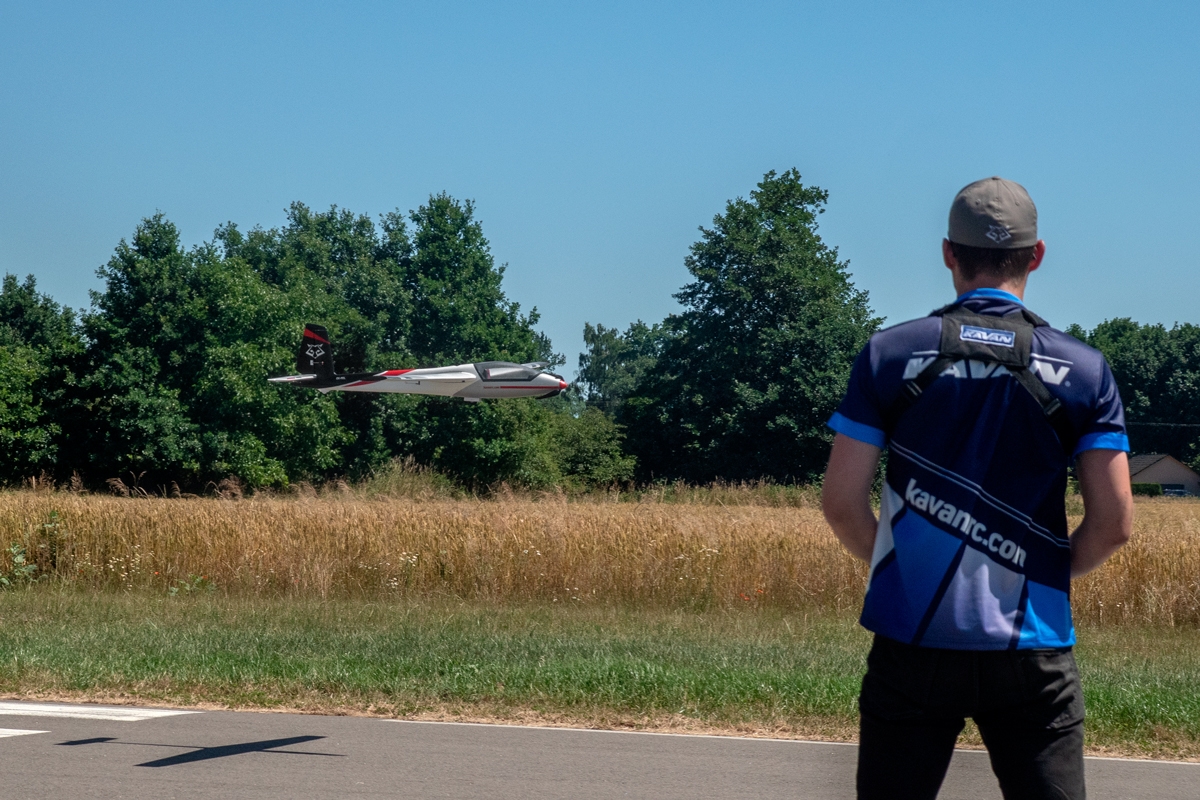
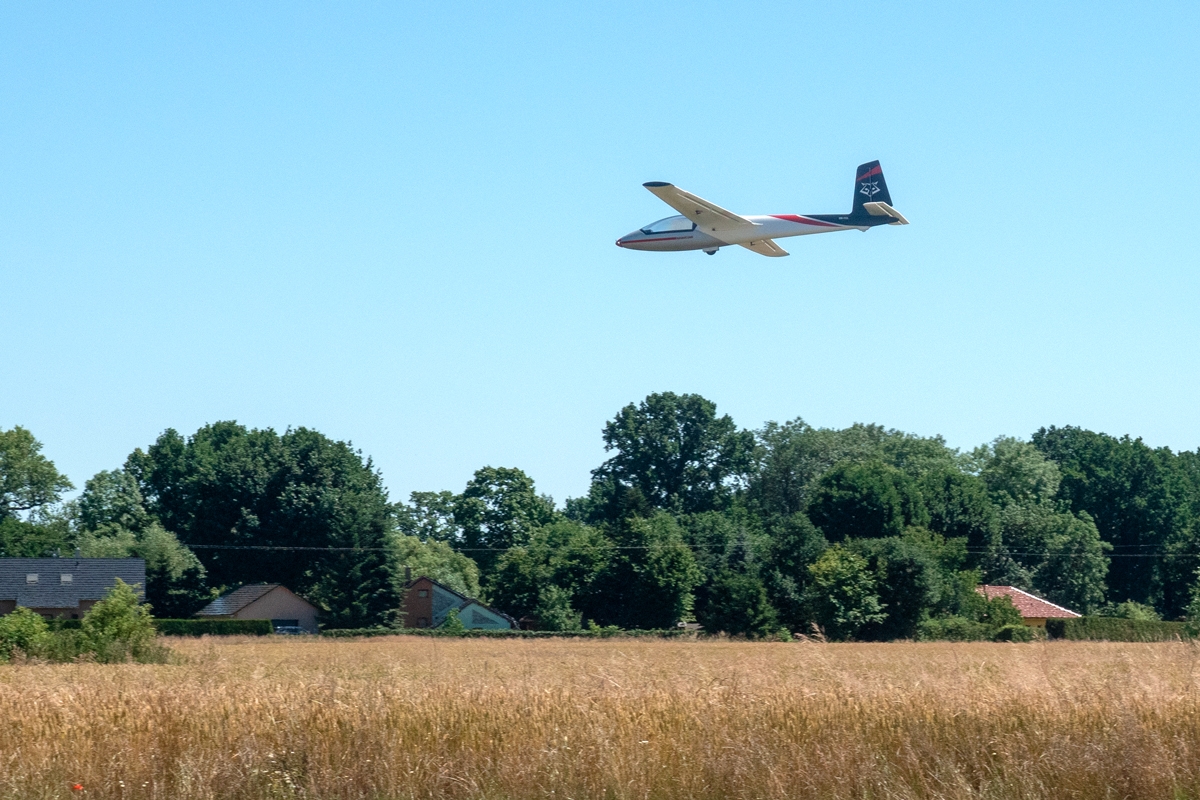
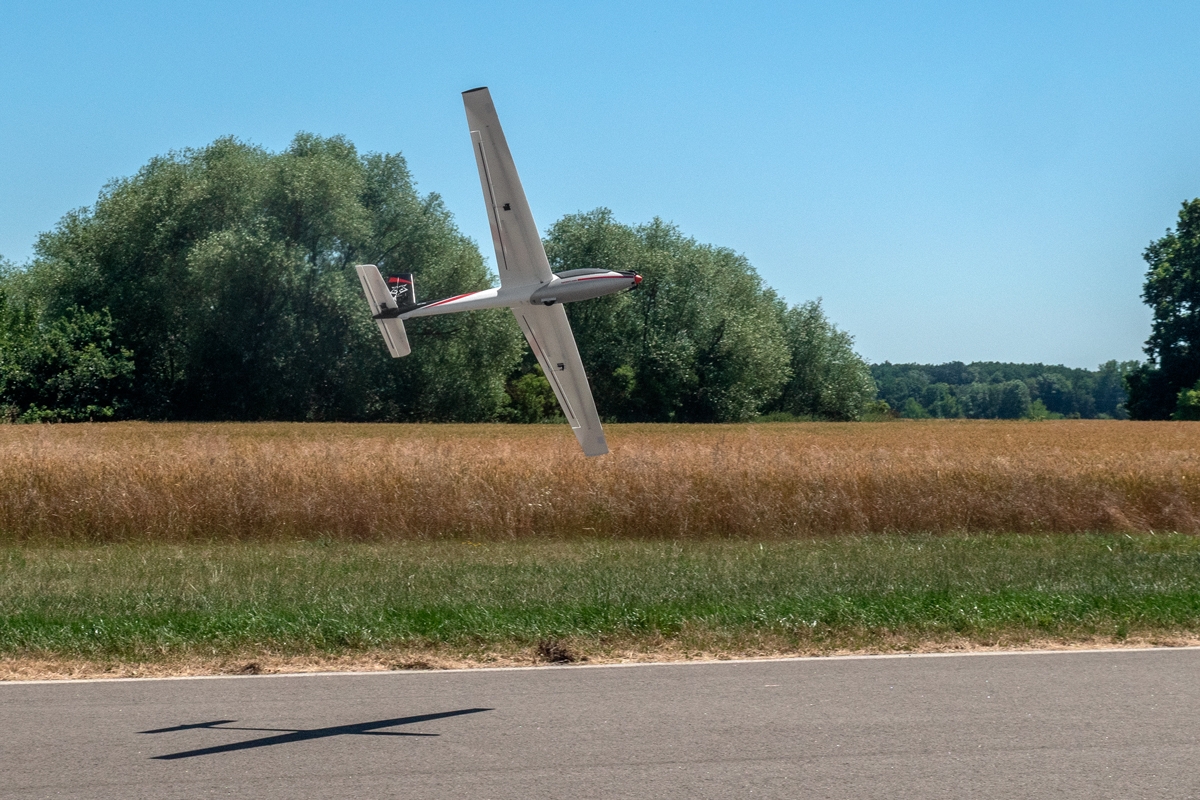
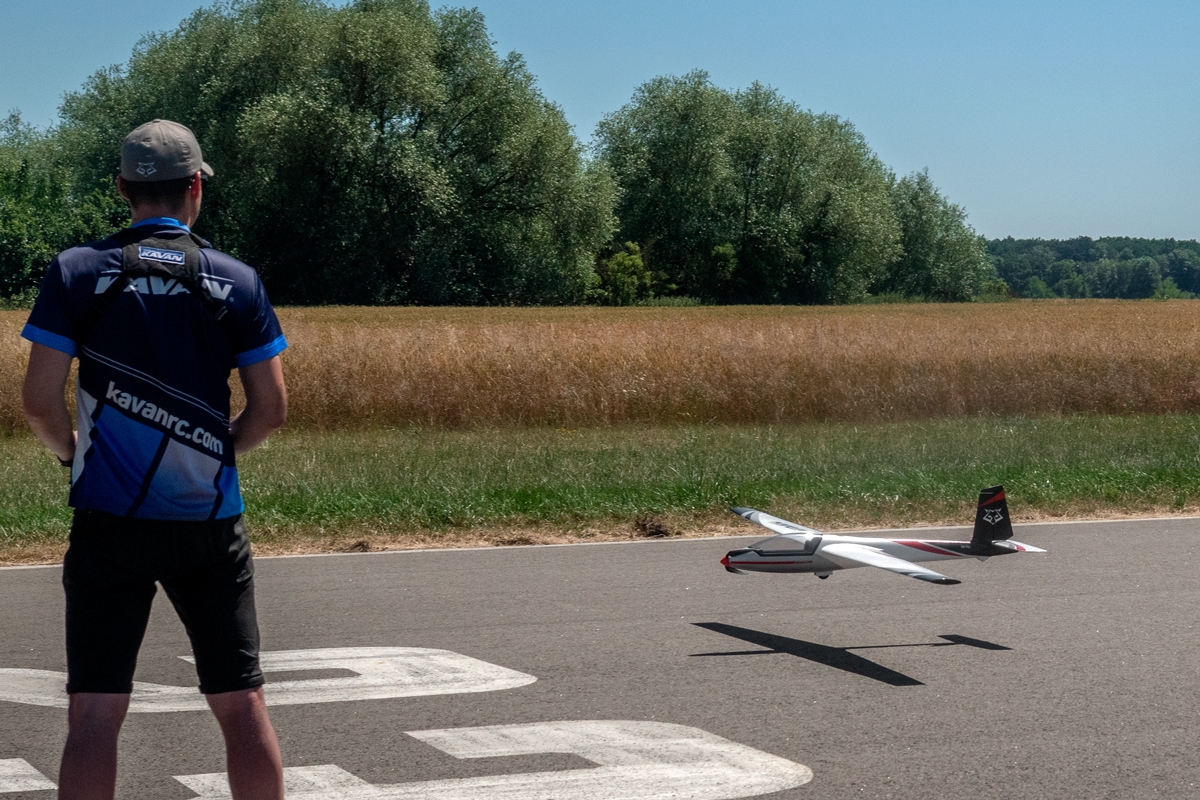
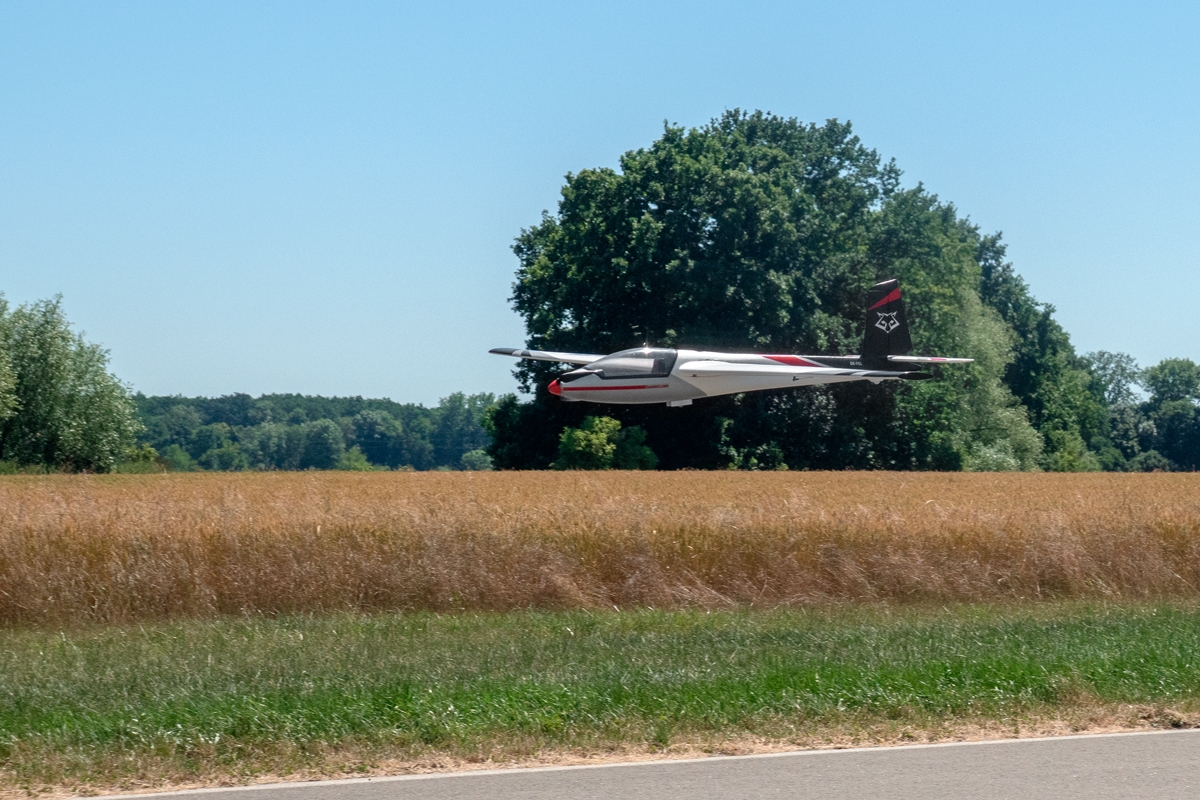
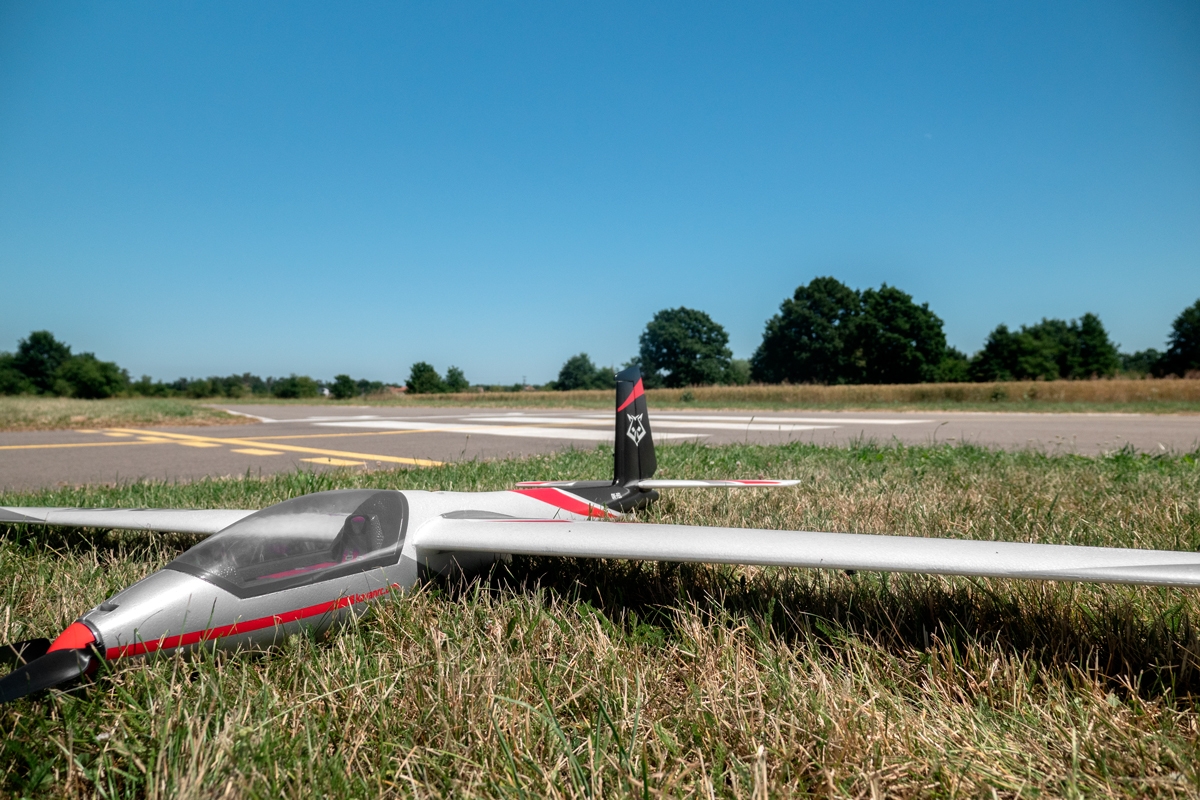
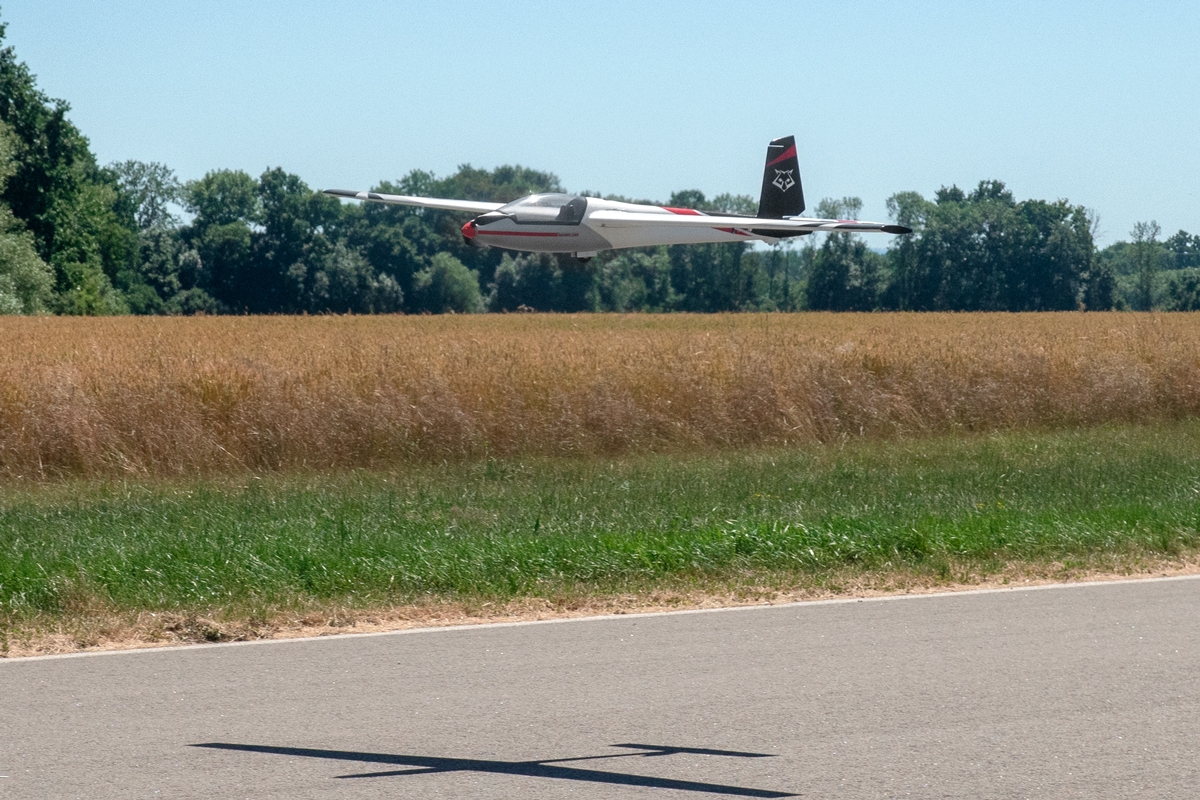
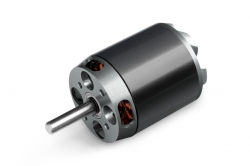
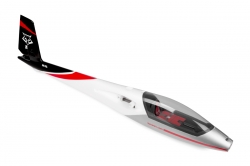
Send a questionA virtually ready-to-fly semi-scale model of a high-performance Polish aerobatic glider with a 2400 mm wingspan, made of almost indestructible carbon-reinforced extruded polyolefin foam (EPO), for thermal and slope soaring. Equipped with a C3548-750 brushless motor, 11×8" folding propeller, Kavan R-50SB speed controller and 4 micro servos. Ailerons, rudder, elevator and motor speed are controlled.
In the late 1980s, the Polish company Margański & Mysłowski Zakłady Lotnicze concluded that there was a gap in the aerobatic glider market—the good old all-wood SZD-21-2b Kobuz 3, designed in the 1950s, was no longer quite enough. So, in 1991, designers Edward Margański and Jerzy Cisowski, supported by Jerzy Makula (then a three-time world champion in glider aerobatics), came up with the new Swift S-1, a modern all-composite aerobatic glider with an incredible roll rate (just 4 s) capable of withstanding loads of +/-10 g. The reward came almost immediately—Jerzy Makula won his fourth FAI World Glider Aerobatics Championship title that same year.
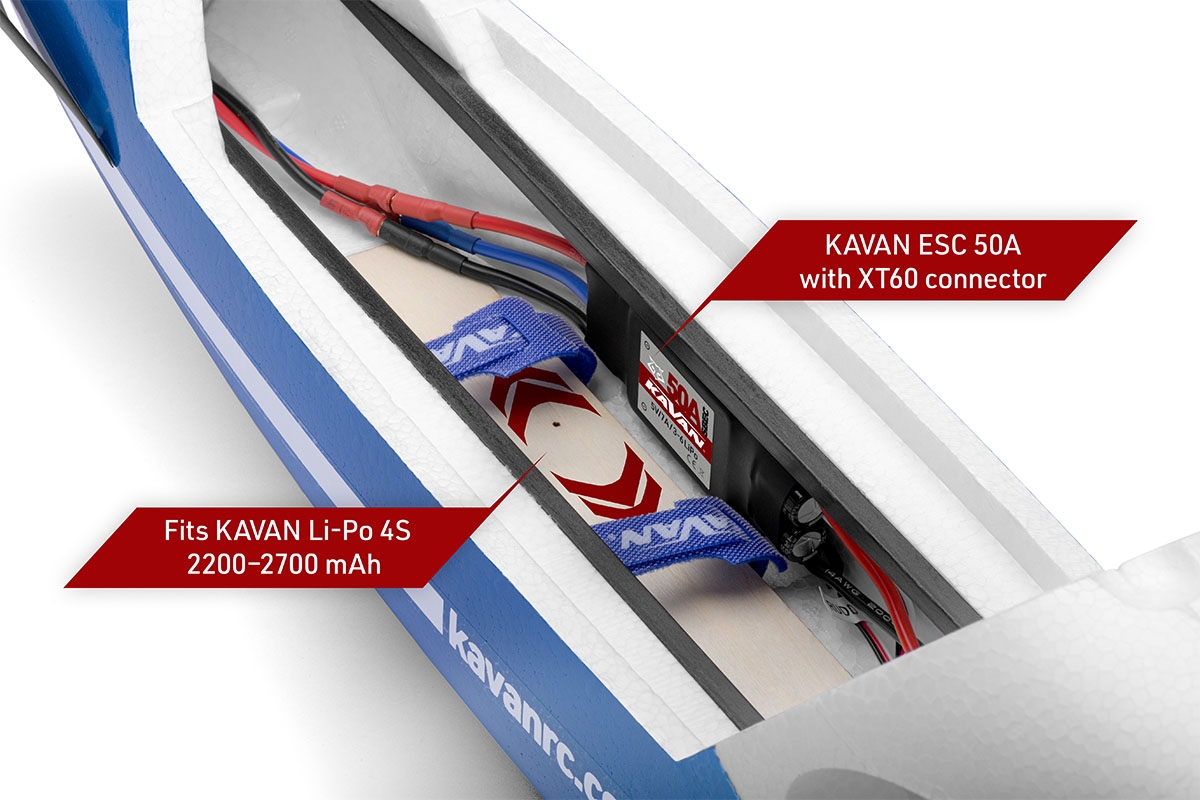
The model's fuselage is made of highly durable EPO (extruded polyolefin) foam, with substantial internal carbon reinforcements. The nose houses a C3548-750 brushless electric motor with an 11×8“ folding propeller and a Kavan R-50SB speed controller with a powerful BEC stabilizer, needed to power the 4 high-torque micro servos.
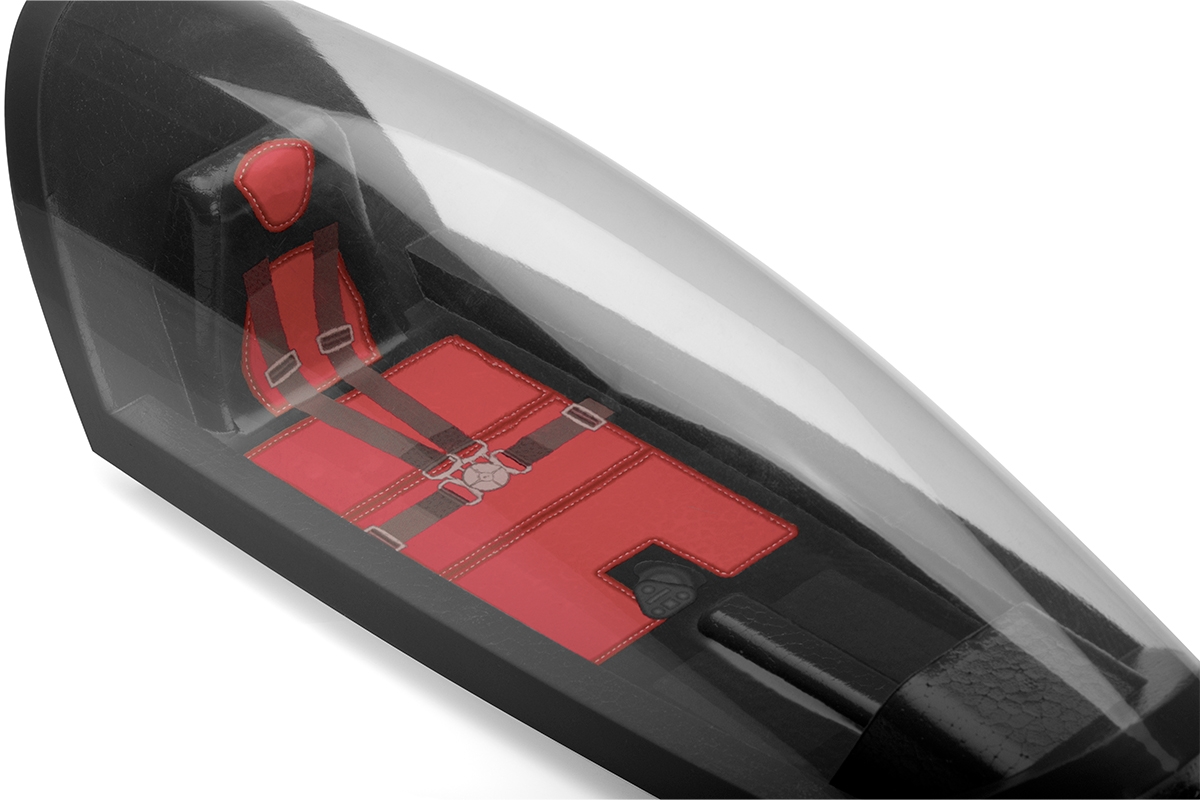
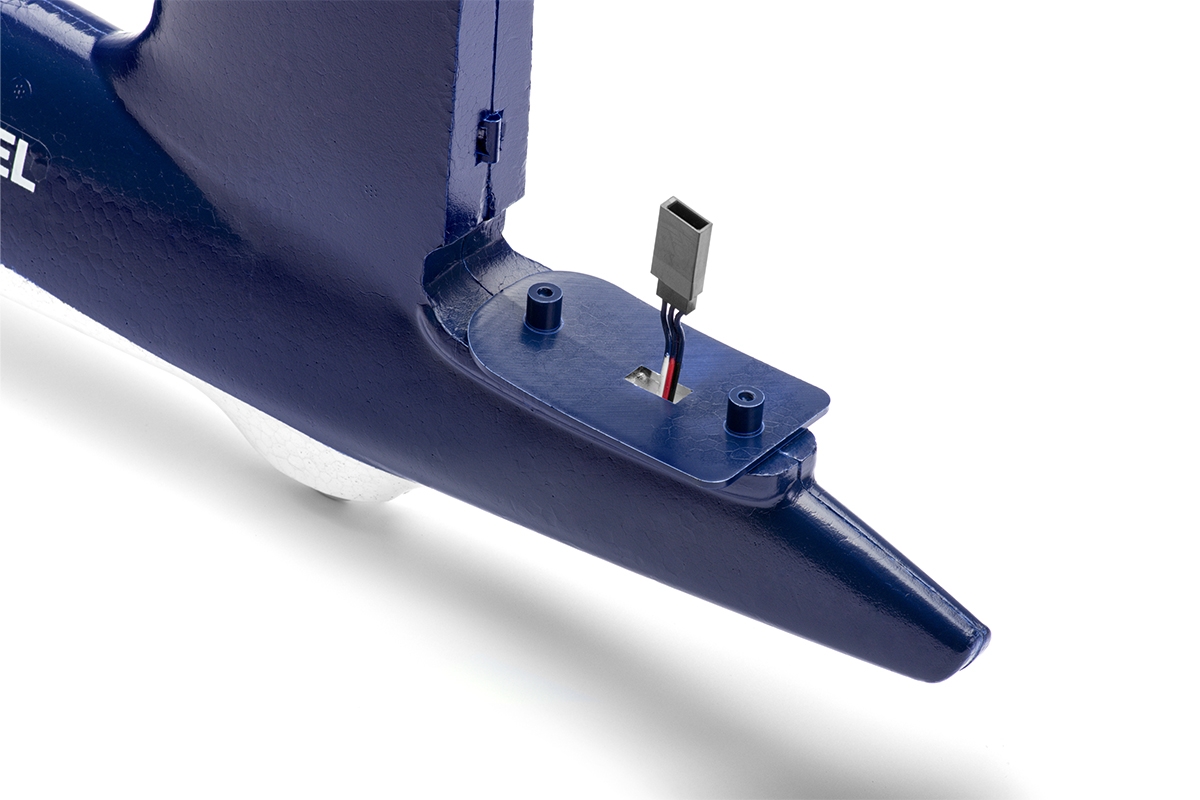
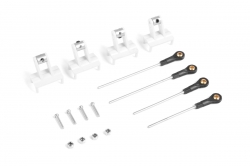
The canopy cover is removable and secured with a pin at the front and a magnet at the rear. There is plenty of room in the nose for the flight battery and receiver. The rudder and elevator servos are housed in the fin, and control the surfaces via short, straight wire pushrods.
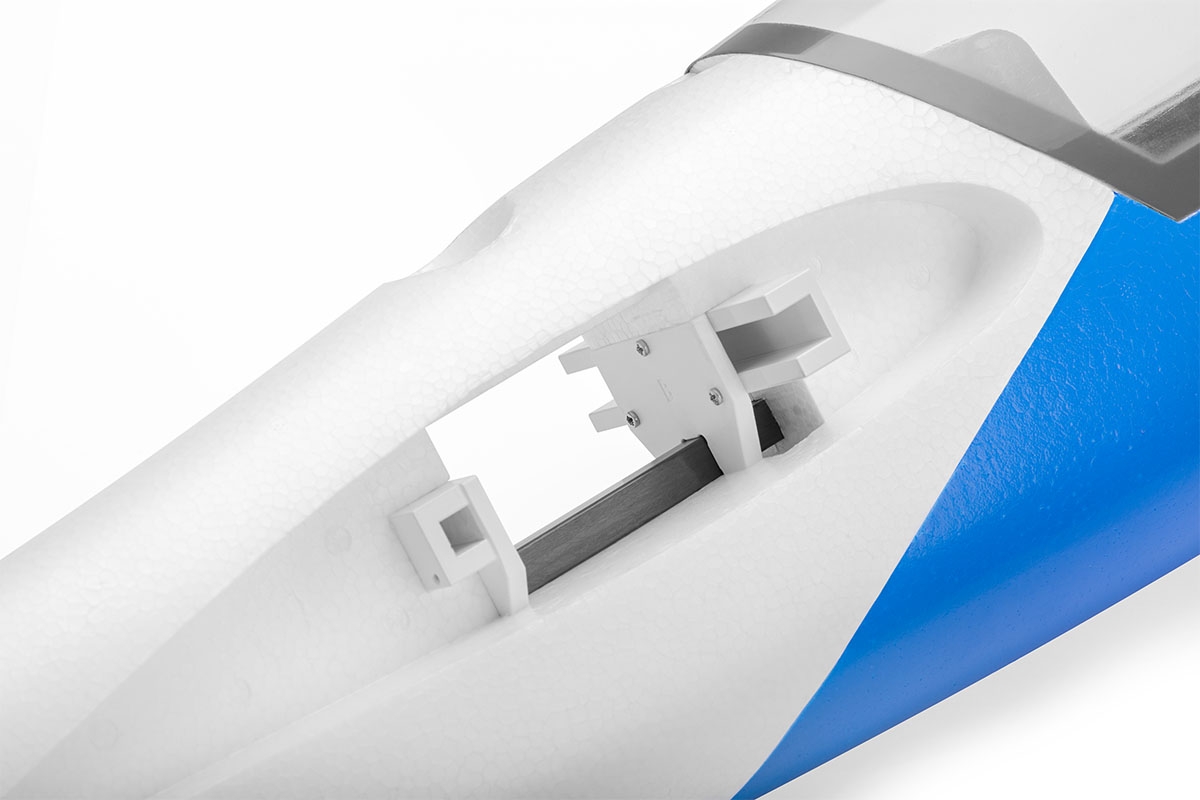
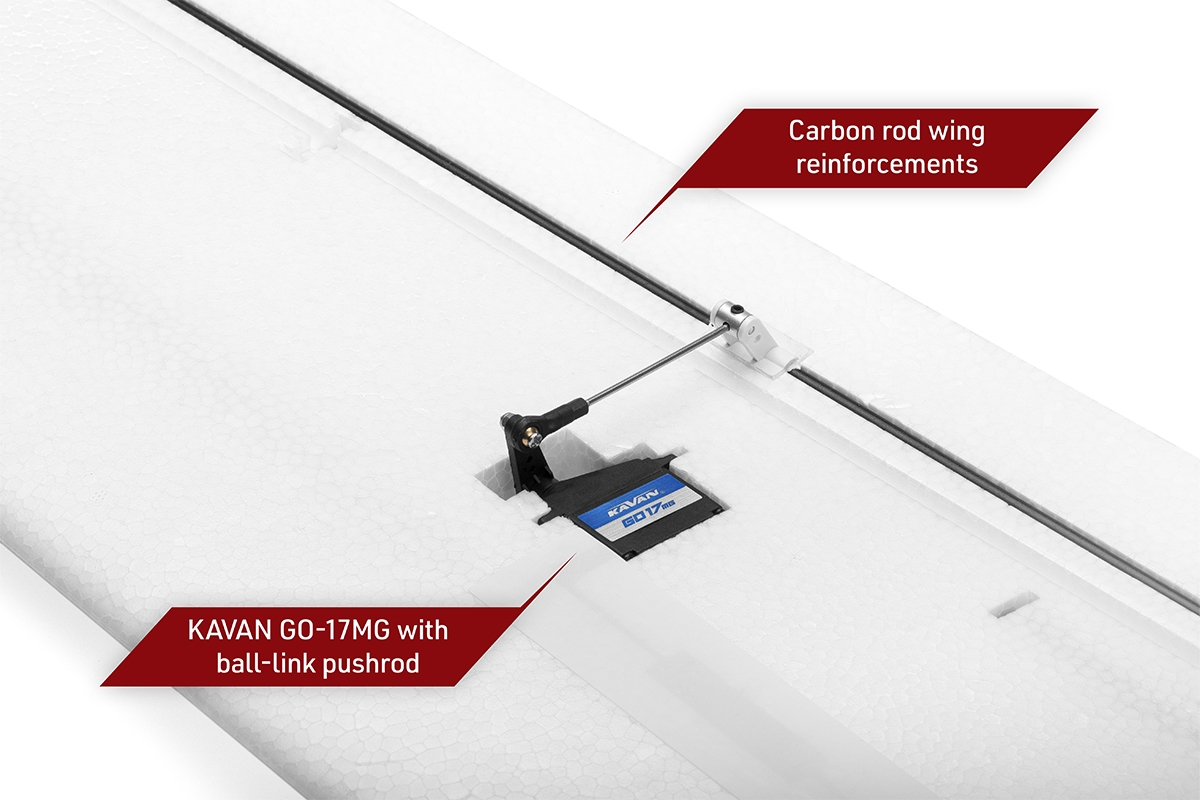
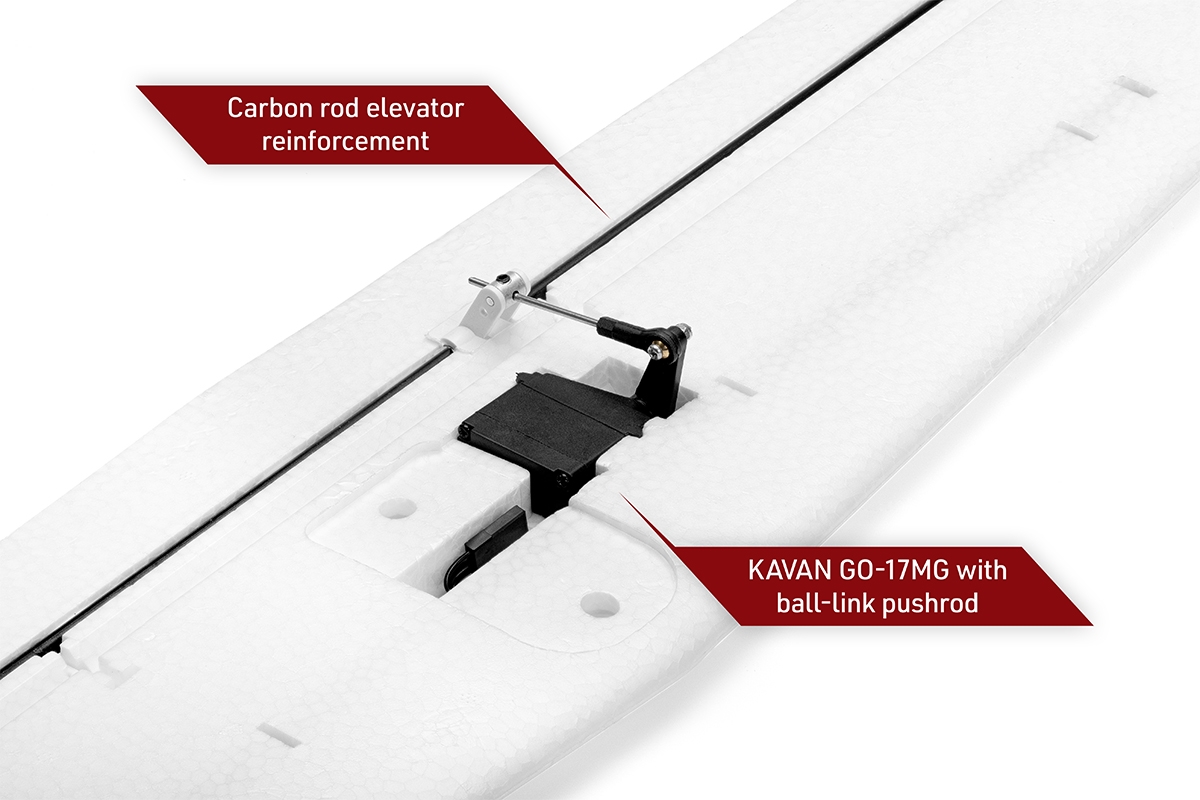
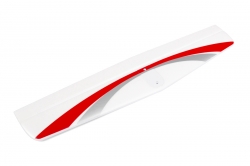
The model's EPO foam wing is two-piece and fitted with carbon spars, whose projecting ends also serve as the wing joiner, fitting into duralumin sleeves in the fuselage. The wing halves are secured in place with a plastic screw. The full-span ailerons (reinforced with carbon tubes) are controlled independently by two servos with short, straight wire pushrods.
The tail surfaces are also made of EPO foam and reinforced with carbon tubes. The horizontal tail is attached to the fuselage with two screws for easy assembly and disassembly.
Package contents
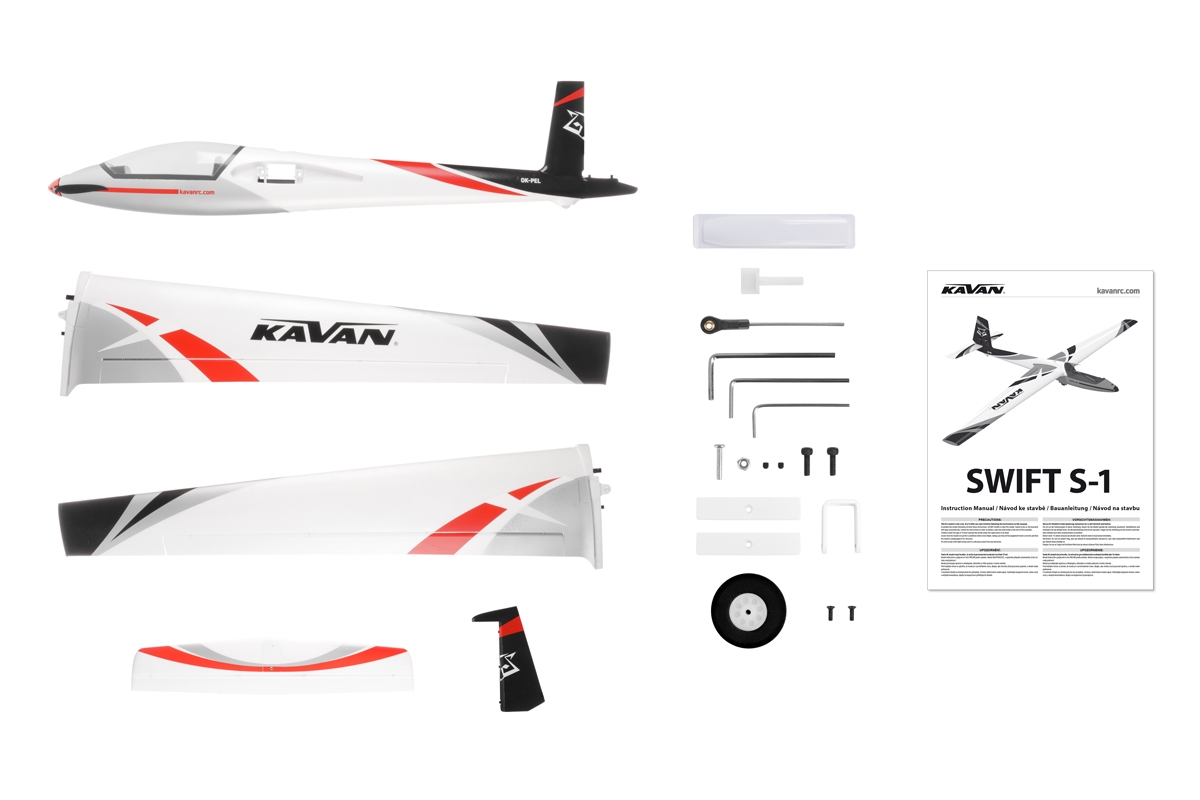
The package contains a ready-made fuselage, wing and tail surfaces made of EPO foam, with the motor, propeller, speed controller and 4 servos installed. A Czech-language manual is also included.
Items required
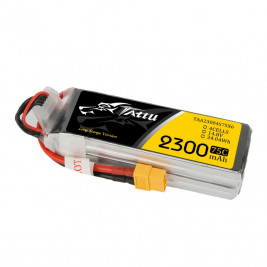
For power, you will need a 4-cell LiPo battery with a capacity of 2200–2700 mAh and a discharge rating of at least 30C. Choose a specific type that gives you the correct centre of gravity as closely as possible without additional ballast. You will also need a suitable charger to charge the flight battery.
In a pinch, you can control the model with a 4-channel computer radio system without special functions. In the basic setup, the ailerons are connected to a single channel via a Y-cable. Ideally, use a computer radio system with at least 6 channels, allowing the two aileron servos to be controlled independently and mixed to act as an aerodynamic brake (both ailerons deflect upwards together). Even affordable systems such as the Radiolink AT9S or AT10II, or the Futaba T6K or T10J, offer this feature today.
In this case, replace the aileron Y-cable in the fuselage with two extension cables (15–30 cm). The manual also includes a comprehensive table of tested initial control surface throw settings (including mixes), so you can easily get the model ready to fly.
Notice: Under Commission Delegated Regulation (EU) 2019/945 of 12 March 2019 on unmanned aircraft systems and on third-country operators of unmanned aircraft systems, and Commission Implementing Regulation (EU) 2019/947 of 24 May 2019 on the rules and procedures for the operation of unmanned aircraft, operators and pilots of unmanned aircraft (conventional model aircraft, multicopters, drones) weighing more than 250 g or carrying a camera or other sensor capable of capturing personal data in any way are required to register (in the Czech Republic, with the Civil Aviation Authority). For more information, see: Registration of drone operators and pilots.
| Wingspan [mm] | 2405 |
| Length [mm] | 1300 |
| Weight [g] | 2000–2050 |
| Wing area [dm2] | 45 |
| Controlled functions | S, V, K (2), M |
| Building difficulty | S0, S1 |
| Piloting difficulty | P2 |
Recommended power system and RC equipment
| Motor | *) C3548-750 |
| Speed controller | *) KAVAN R-50SB |
| Propeller blades | *) 11×8“ |
| Battery | 14,8V 2200mAh 30/60C, 14,8V 2600mAh 40/80C |
| Servos | *) 4× GO-17MG |
| RC system | Min. 6 channels (computer radio) |
| *) Included in the ARF set | |
11 items

This website is using cookies
In order to improve our services, we use cookies on this website. For more information go to Terms and conditions for use of website.