








Customer line 9 am - 6 pm: +420 774 590 258 | Do you need help?
| Price in e-shop with VAT: | 487,30 € |
| Temporarily unavailable | |
|
|
Send a question
on availability |
|
Send a question
on availability |
|
|
35 years in business = safe shopping and professional service |
|
Don't know how to choose? Are some parameters not clear to you? Write us your question and we will contact you with an answer.
#Chcete dostat upozornění ve chvíli, kdy produkt bude k dispozici? Stačí vyplnit formulář a náš hlídací pes Vám dá vědět.
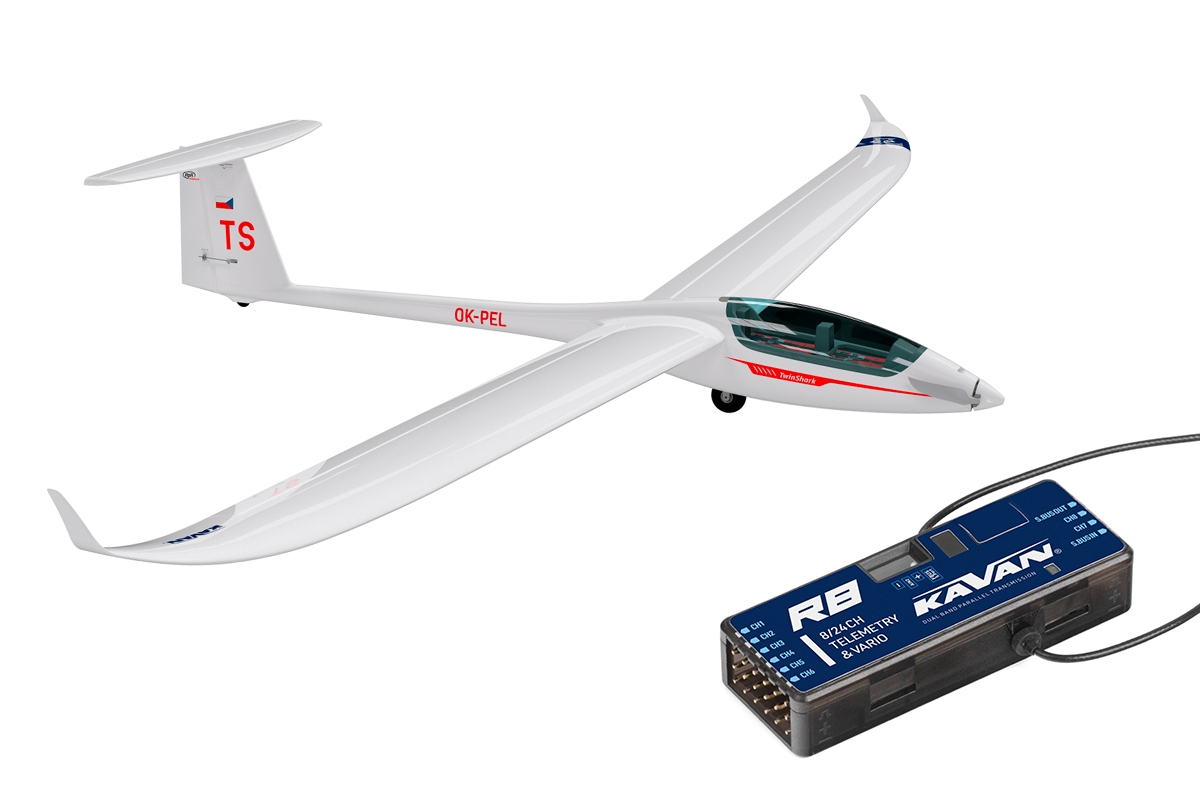
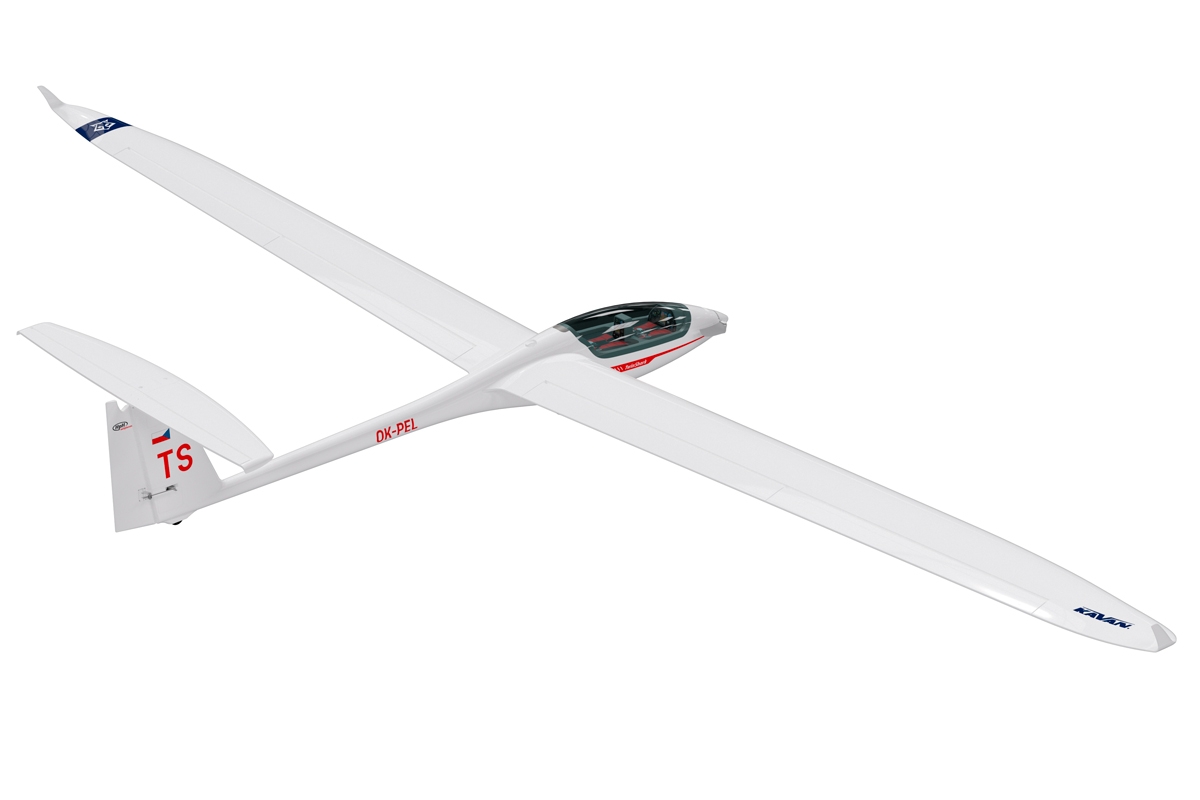
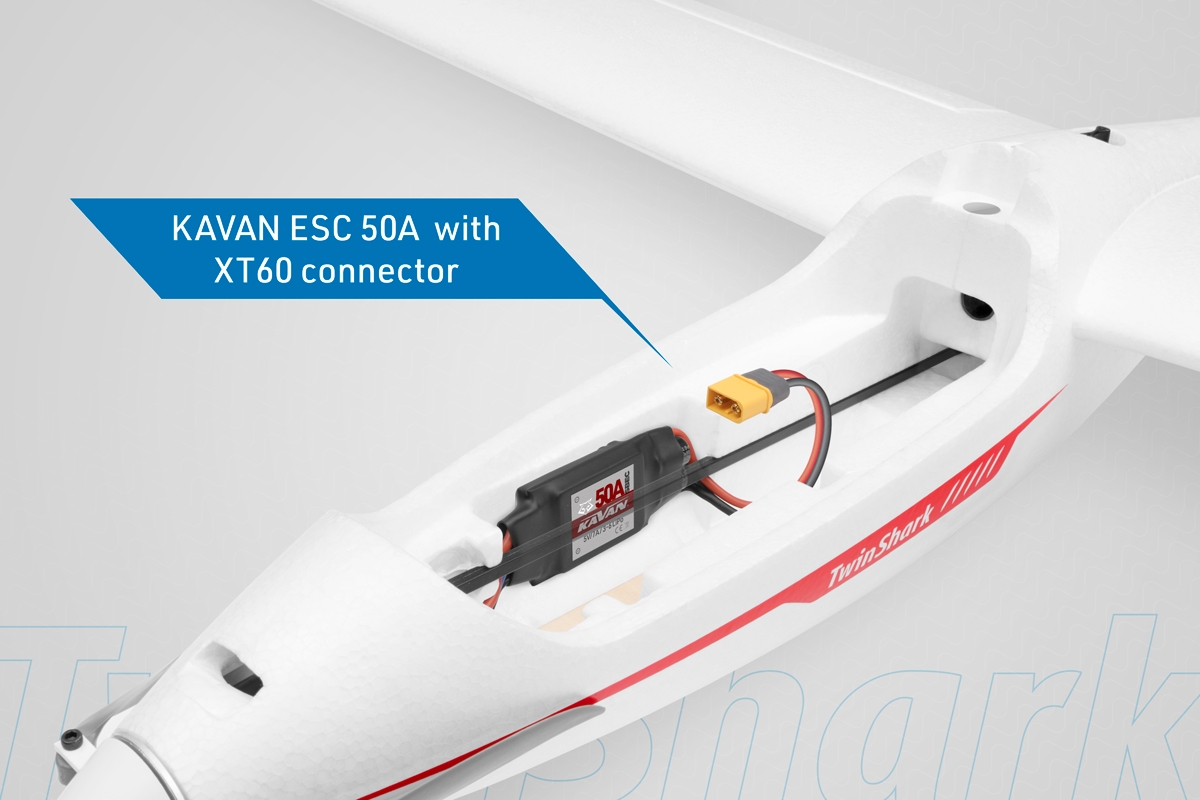
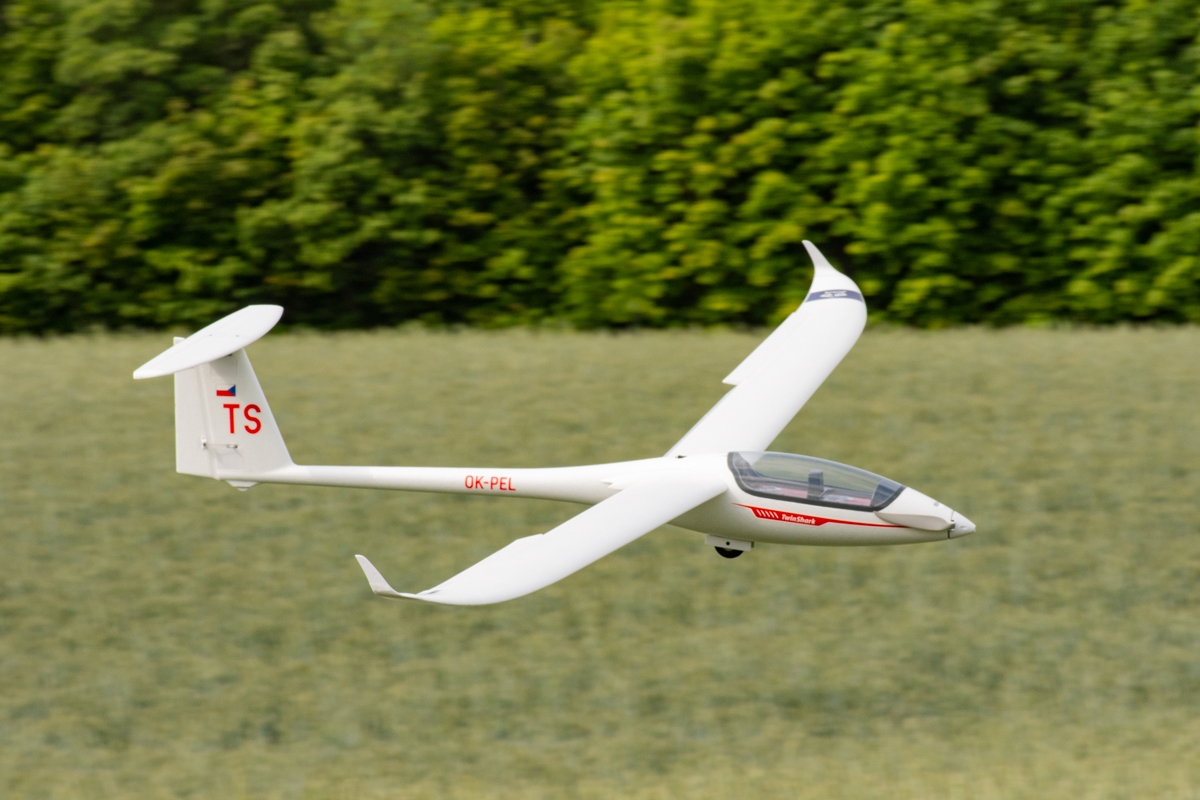
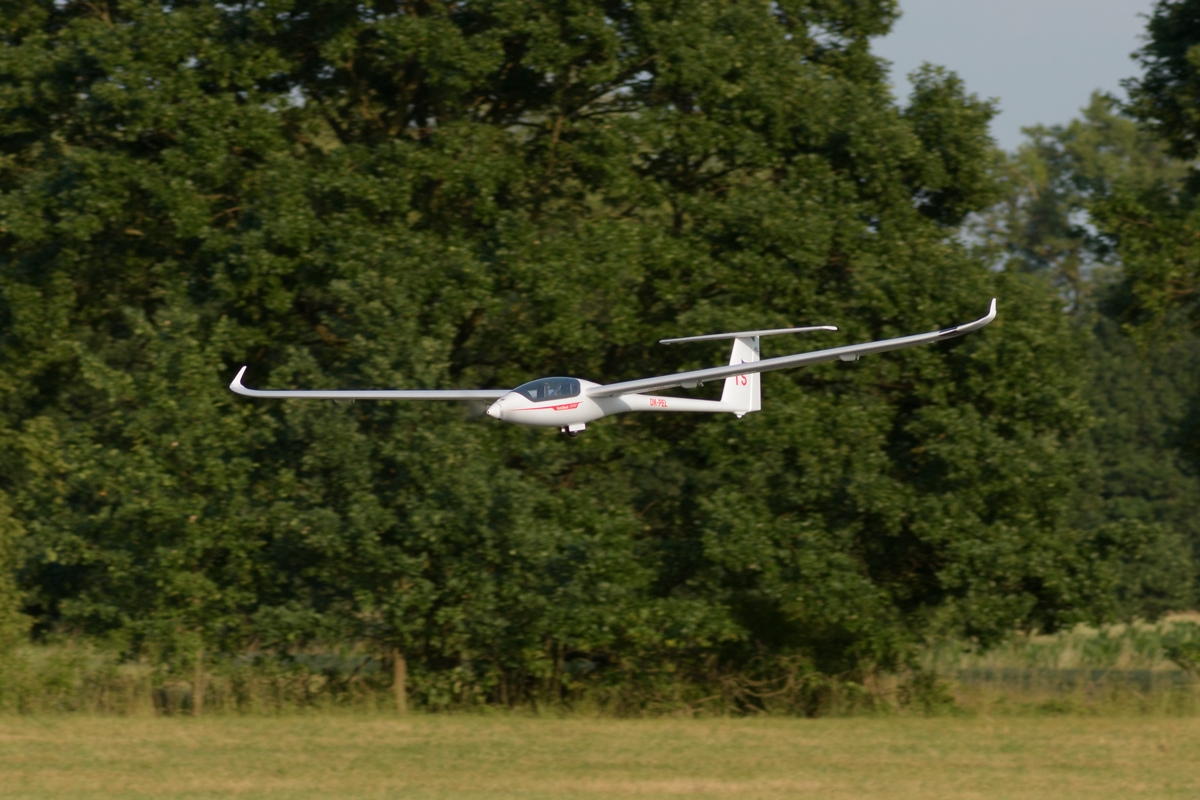
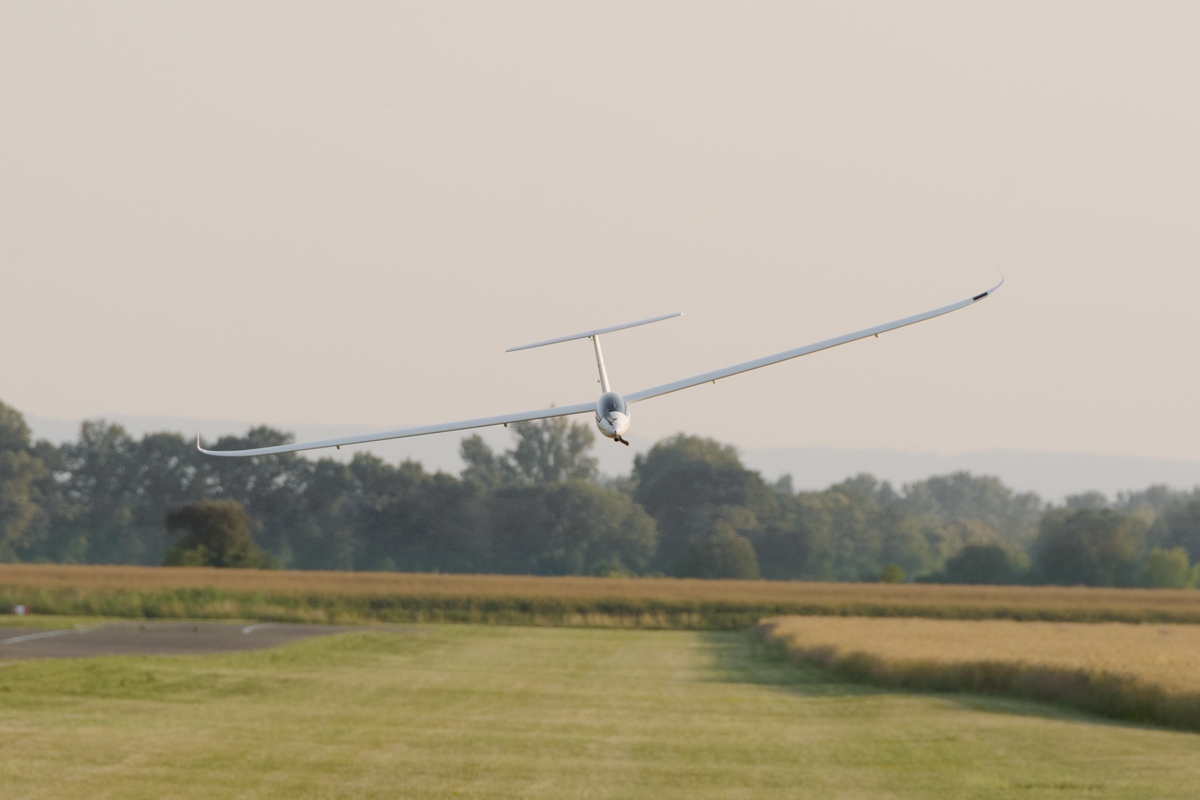
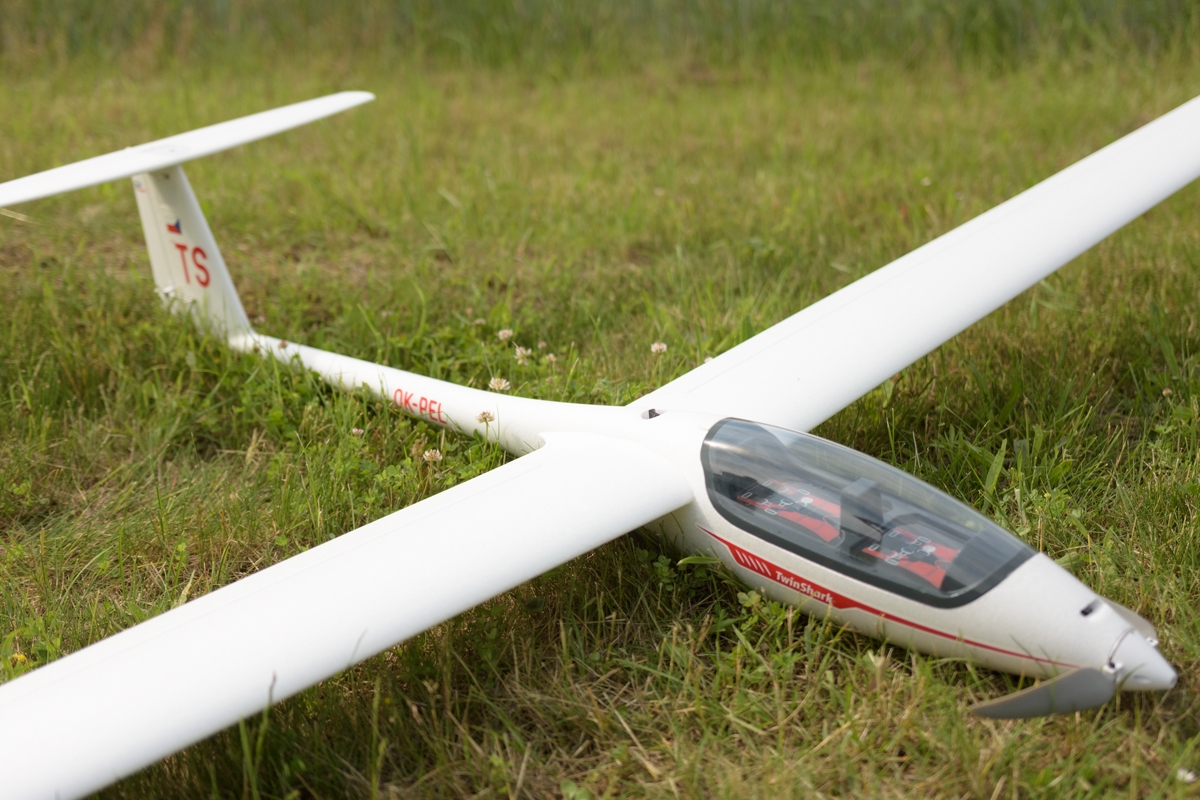
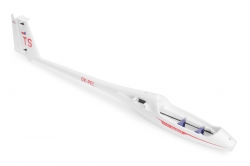
Almost ready-to-fly semi-scale model of a high-performance Czech sailplane with a 2700 mm wingspan, made of virtually indestructible, carbon-reinforced extruded foam polyolefin (EPO), for thermal and slope soaring. Fitted with a C3548-750 brushless motor, 11×8" folding propeller, R-50SB speed controller and 6 micro servos. Fully equipped wing with ailerons and flaps. Rudder, elevator and motor speed are controlled. A Kavan R8 receiver is also included in the package.
In 1962, Eugen Hänle founded Glasflügel Segelflugzeugbau GmbH., which soon became renowned as the first large-scale manufacturer of fiberglass sailplanes. Its products were always distinguished by innovative solutions—from easy wing and horizontal tailplane removal, through control systems with flaps and airbrakes, to a practical cockpit design still widely used in sailplanes today. Following Eugen Hänle’s tragic death in an aviation accident in 1975, the company ran into difficulties and finally ceased to exist in 1982.
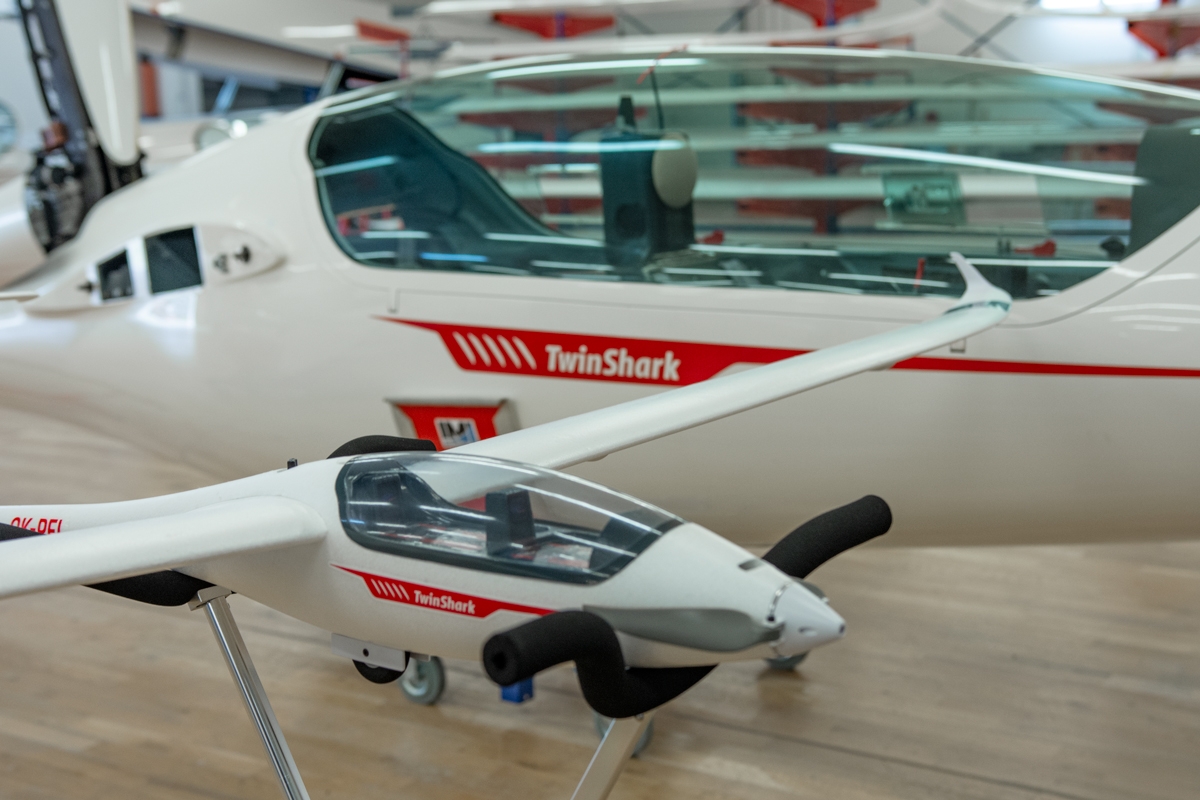
In the mid-1990s, the young Czech company HPH (which had already earned a reputation as a manufacturer of museum-quality aircraft models) took over production of one of the last sailplanes designed by Glasflügel—the 304. From Kutná Hora in Central Bohemia, superb aircraft soon began making their way out into the world: first the HPH 304CZ, produced using the original moulds and jigs, followed by the modernized HPH 304C Wasp in the FAI 15m class. Then, in 2006, the completely newly designed single-seat HPH 304S Shark in the 18m class, and in 2017 the two-seat HPH 304TS Twin Shark in the 20m class. And now you can enjoy flying a 2700 mm wingspan semi-scale model of this beautiful sailplane, powered by a powerful brushless motor!
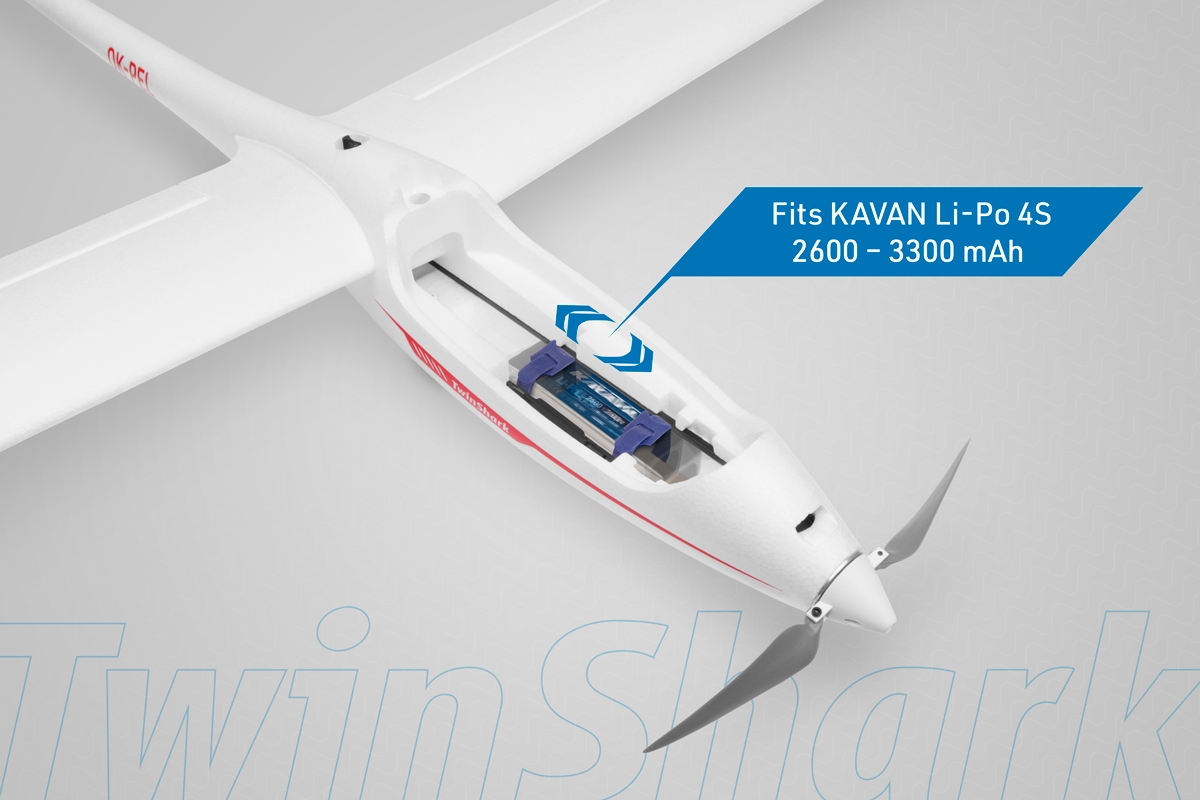
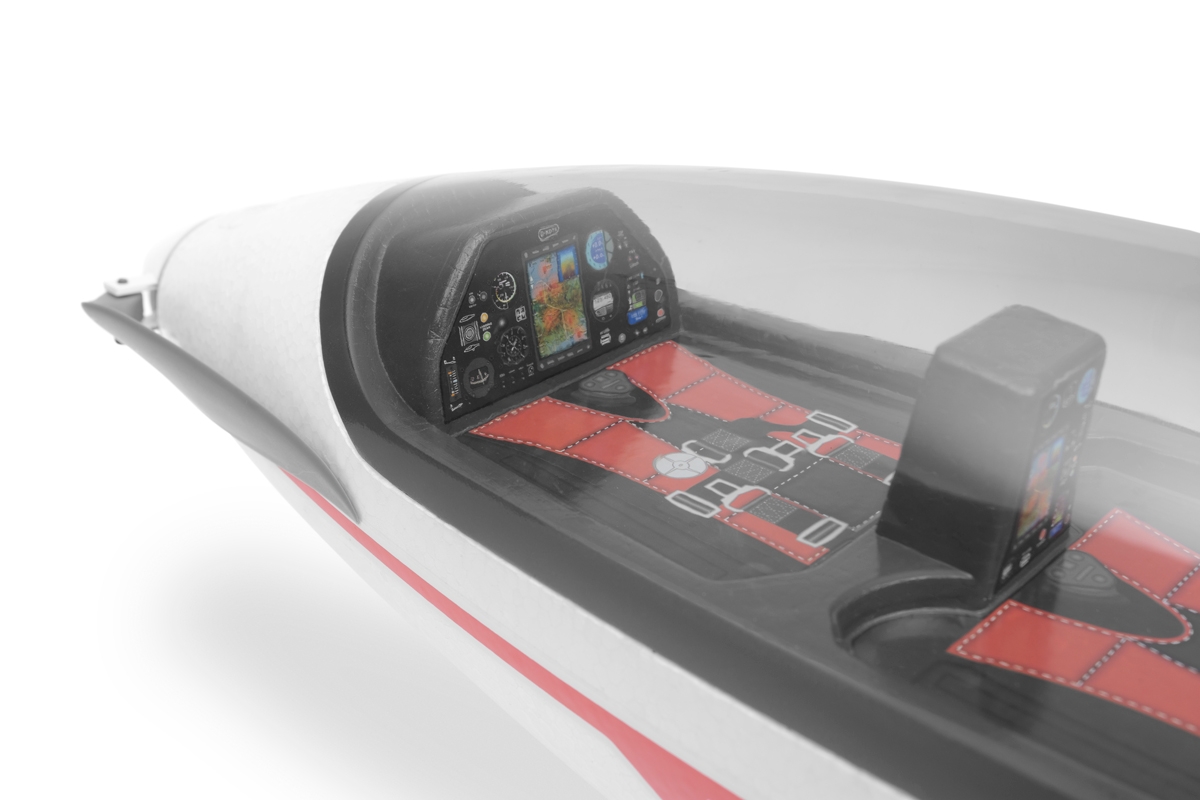
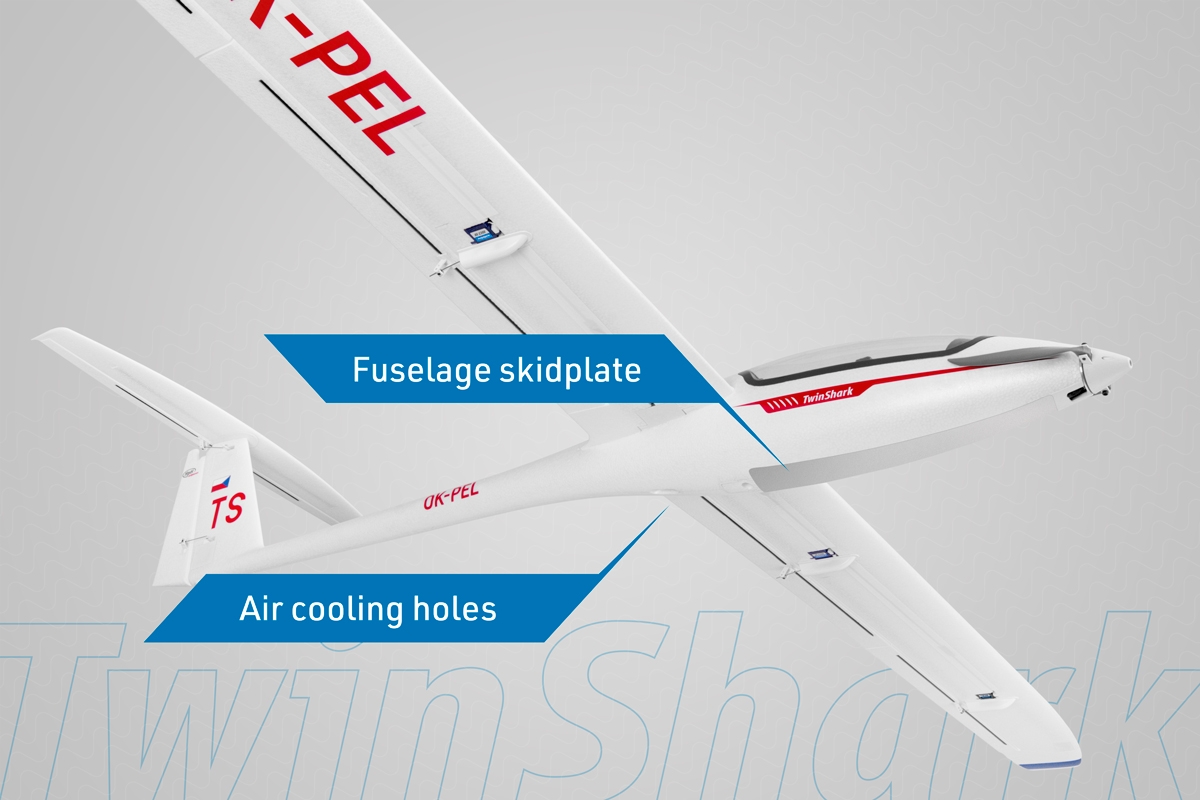
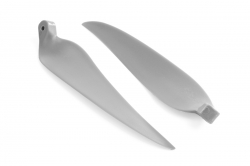
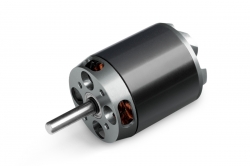
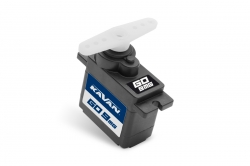
The model’s fuselage is made of highly durable EPO foam (extruded polyolefin) with substantial internal carbon reinforcements. The nose is fitted with a C3548-750 brushless electric motor and an 11×8“ folding propeller, as well as a Kavan R-50SB speed controller with a powerful BEC power supply stabilizer. The canopy is removable and secured with a pin at the front and a magnet at the rear. There is plenty of room in the nose for the flight battery and receiver. The rudder and elevator servos are housed in the fin, and the control surfaces are operated by short, direct wire pushrods.
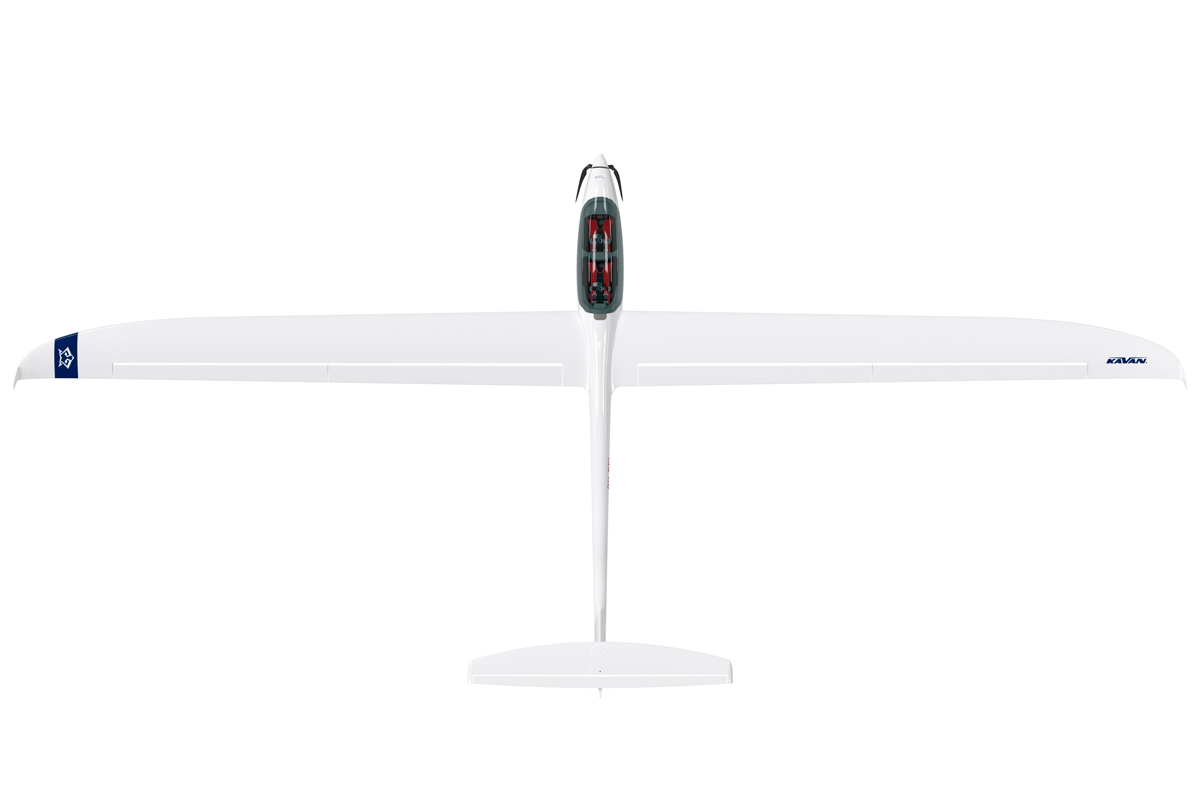
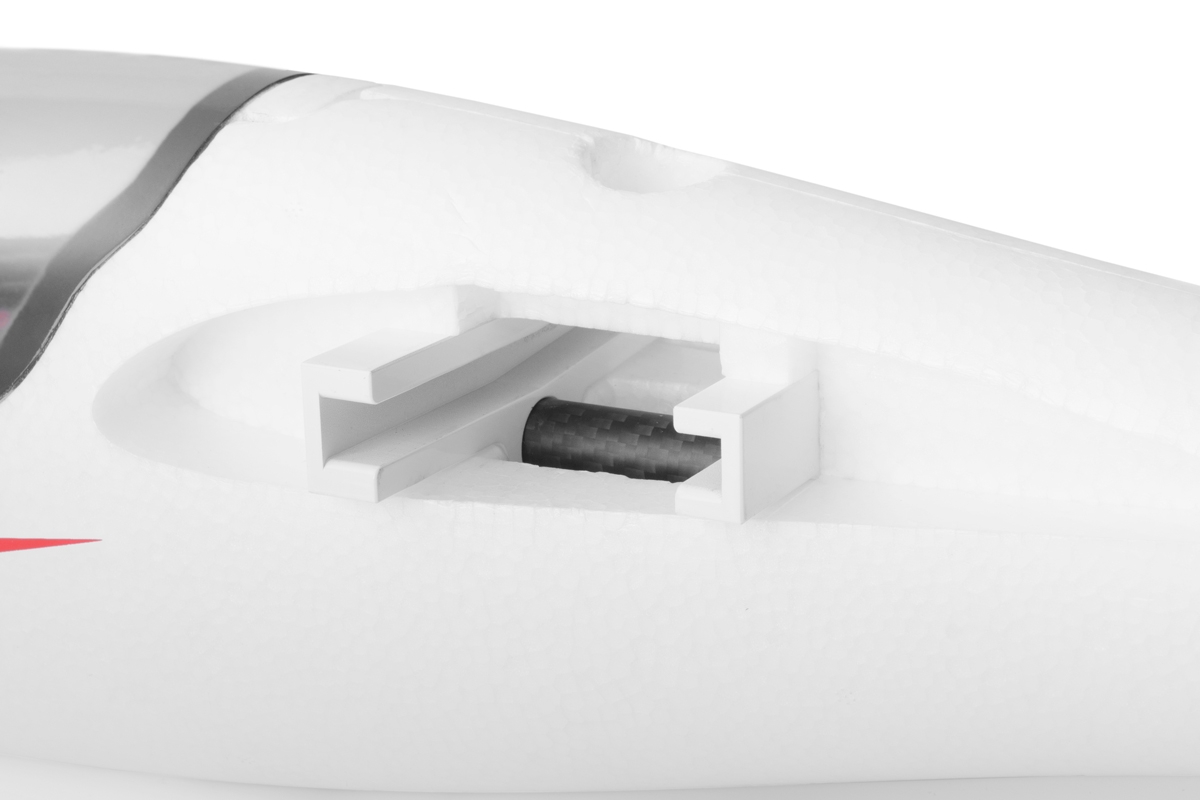
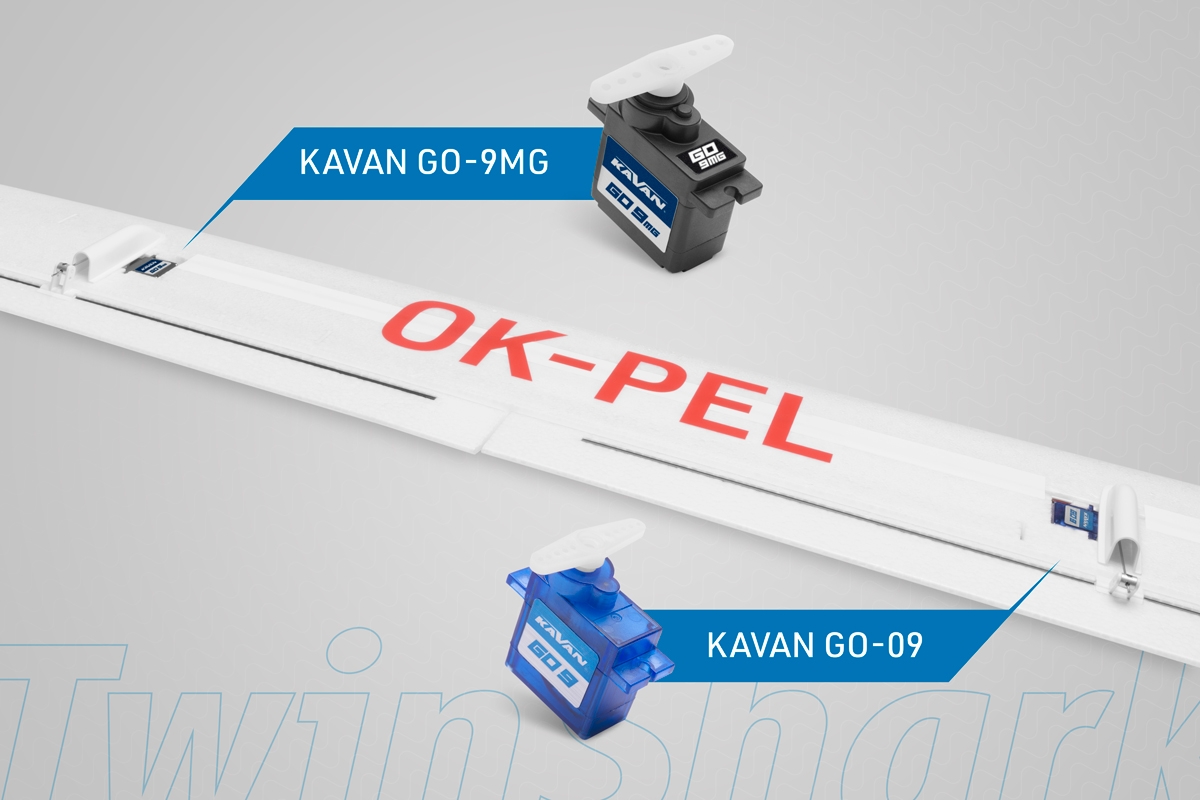
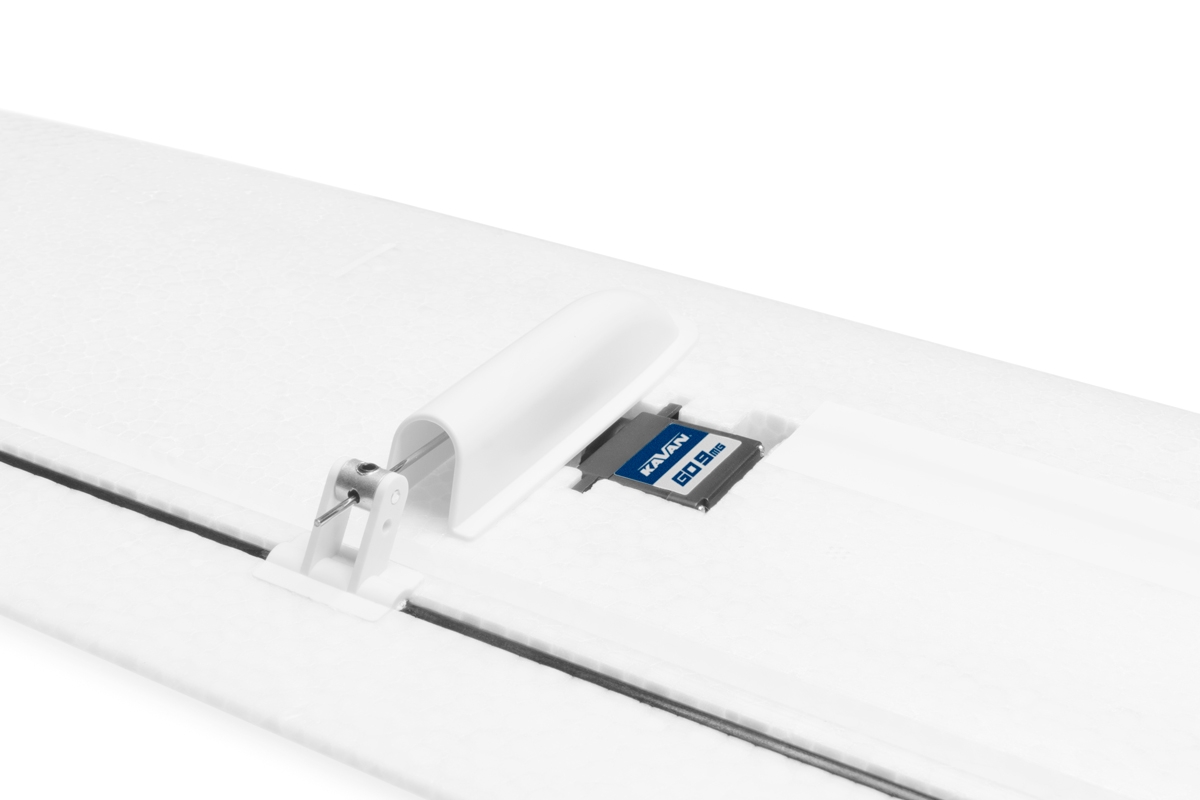
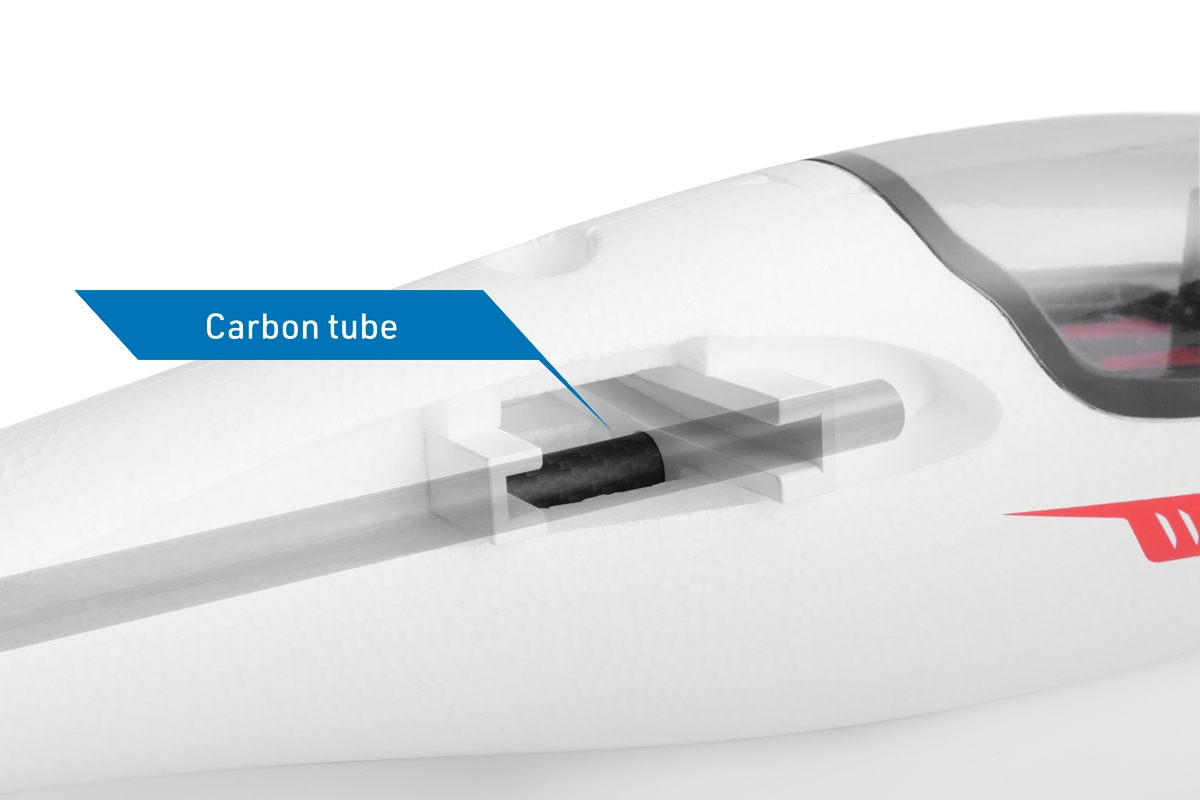
The model’s EPO foam wing is in two sections and incorporates carbon spars whose protruding ends also serve as the wing joiner, fitting into aluminium sleeves in the fuselage. The wing halves are secured in place with a plastic screw. The ailerons and flaps (both reinforced with carbon tubes) are controlled independently, each by two servos with short, direct wire pushrods.
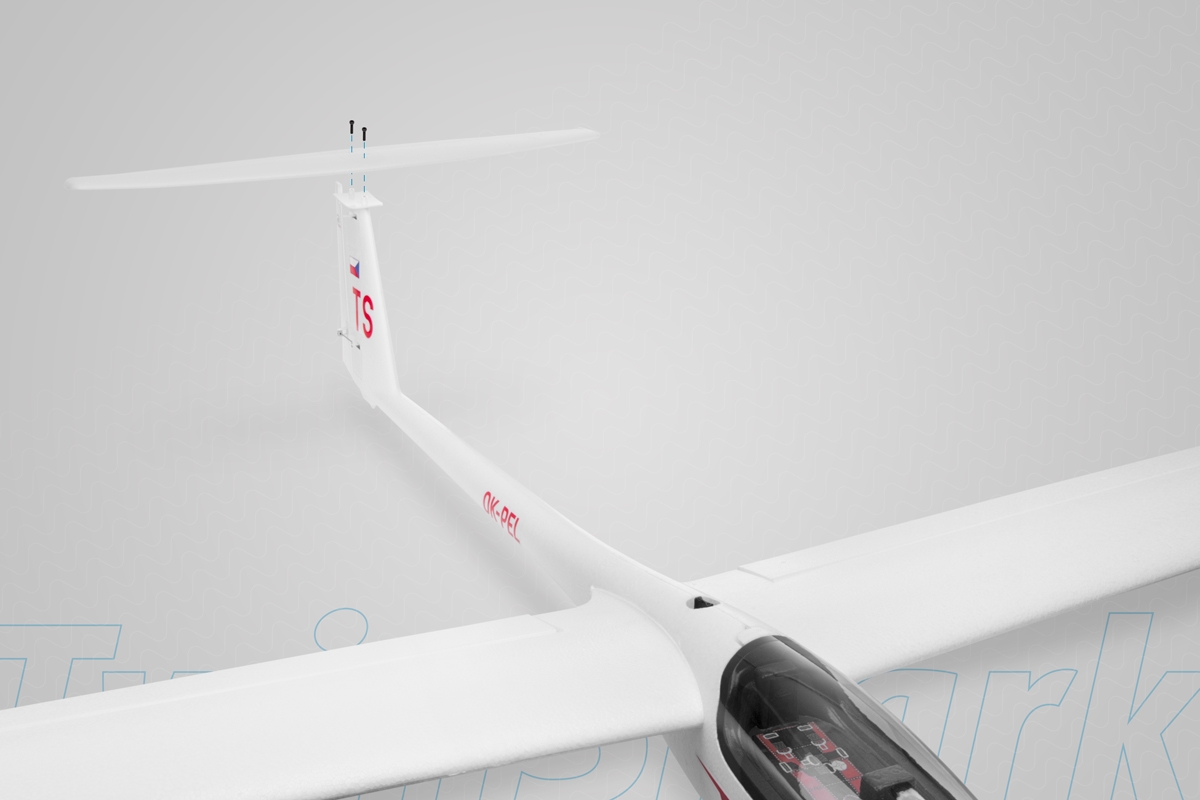
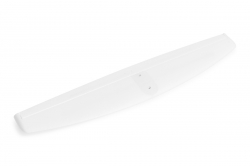
The tail surfaces are also made of EPO foam and reinforced with carbon tubes. The horizontal tailplane is attached to the fin with two screws, making assembly and disassembly easy.
Required to purchase separately
You will need a 4-cell LiPo battery with a capacity of 2600–3300 mAh and a discharge rating of at least 30C. Choose a specific type that gives you the correct centre of gravity position with as little additional ballast as possible.
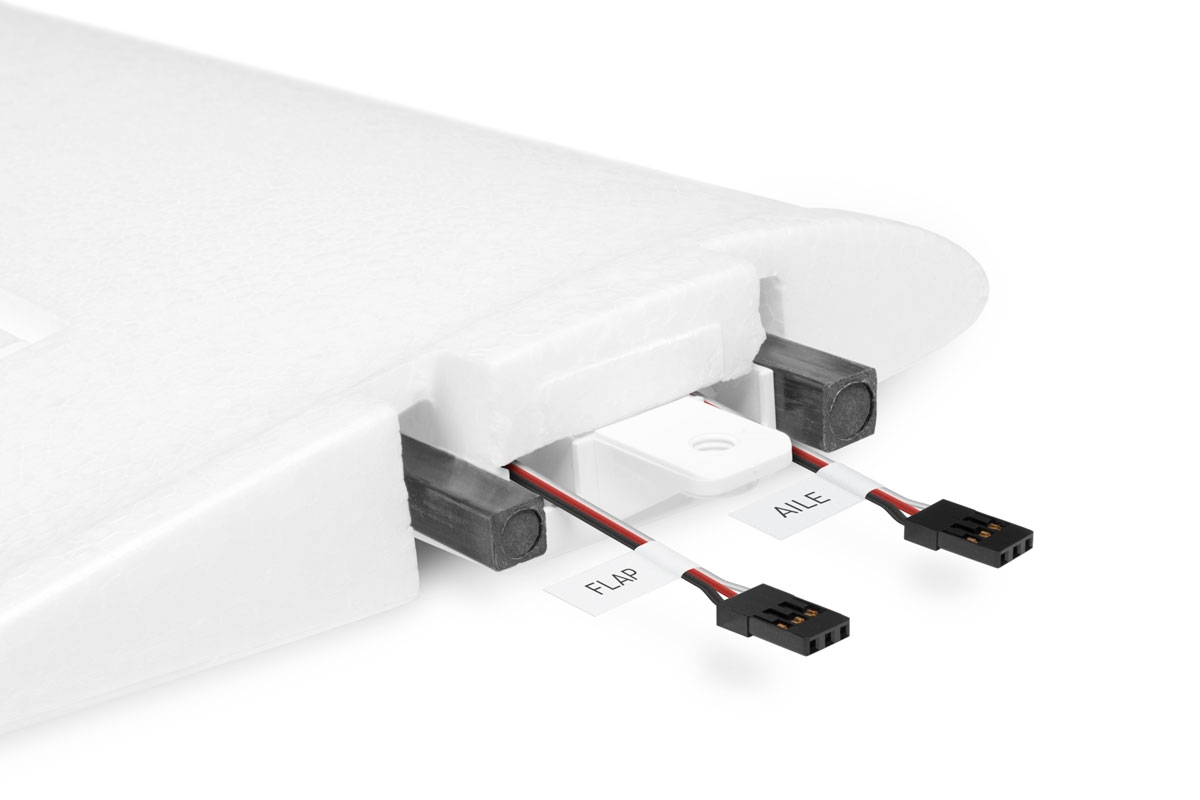
In a pinch, a six-channel transmitter with the ACCESS / ACCST D16 protocol and no special functions will be sufficient to control the model. In the basic configuration, the ailerons and flaps are connected using Y-cables, with each pair connected to a single channel.
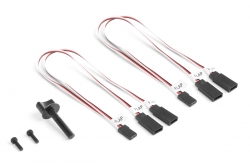
Naturally, it is best to use a computer transmitter with at least seven channels, allowing independent control of the ailerons and flaps with two servos and mixing them to act as butterfly brakes (both ailerons deflect upwards together and both flaps downwards). In this case, replace the aileron and flap Y-cables in the fuselage with four individual 15–30 cm extension cables. The manual naturally includes a detailed table of tried-and-tested initial control surface throws (including mixes), so you can easily prepare the Twin Shark for flight, even if this is your first sailplane with a fully equipped wing.
Package contents
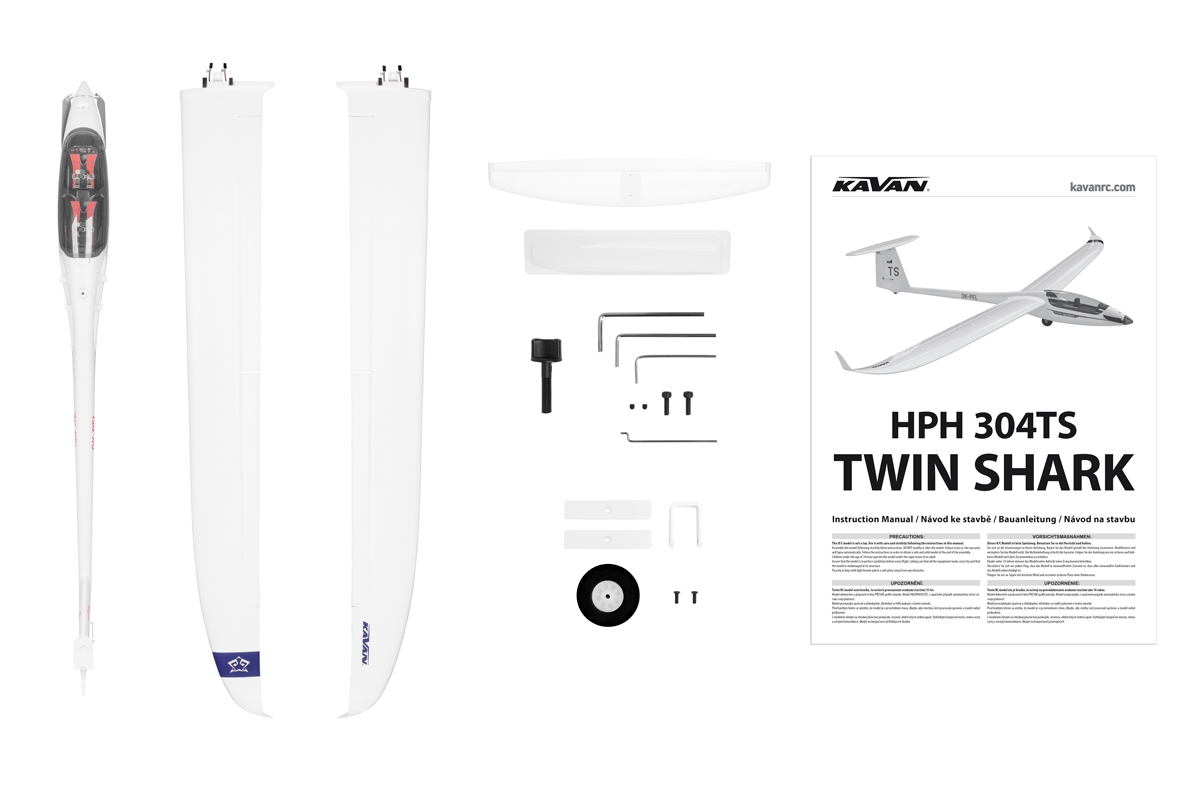
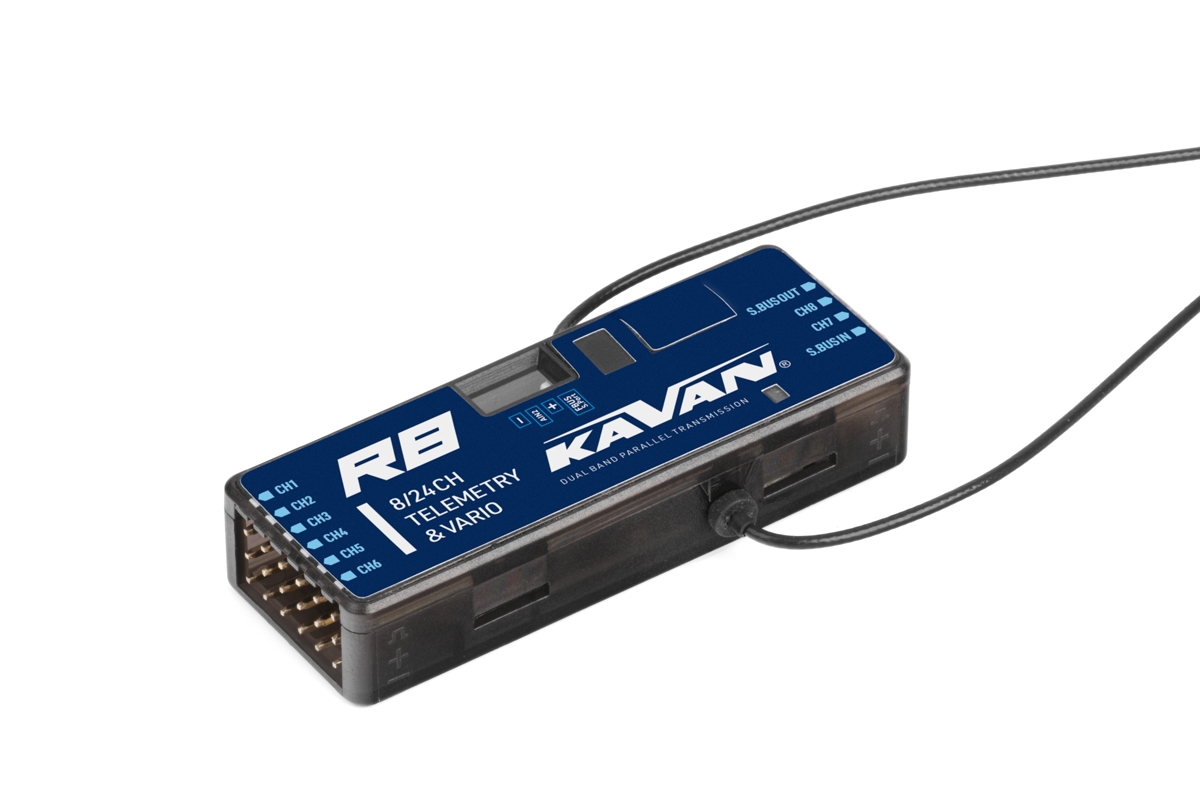
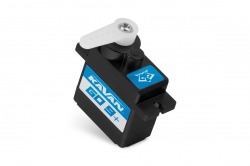
The package contains a ready-made fuselage, wing and tail surfaces made of EPO foam, with the motor, propeller, speed controller and 6 micro servos installed. A Kavan R8 Vario receiver and a clear manual are also included.
Warning: Under Commission Delegated Regulation (EU) 2019/945 of 12 March 2019 on unmanned aircraft systems and on third-country operators of unmanned aircraft systems, and Commission Implementing Regulation (EU) 2019/947 of 24 May 2019 on the rules and procedures for the operation of unmanned aircraft, operators and pilots of unmanned aircraft (conventional model aircraft, multicopters, drones) weighing more than 250 g or carrying a camera or other sensor capable of capturing personal data in any way are required to register (in the Czech Republic, with the Civil Aviation Authority). More information can be found here: Registration of drone operators and pilots.
| Wingspan [mm] | 2700 |
| Length [mm] | 1285 |
| Weight [g] | 1950–2050 |
| Wing area [dm2] | 45 |
| Controlled functions | S, V, K (2), M, F (2) |
| Build difficulty | S0, S1 |
| Flying difficulty | P2 |
| Motor | *) C3548-750 |
| Speed controller | *) Kavan R-50SB |
| Propeller blades | *) 11×8“ |
| Battery | Kavan 14,8V 2700mAh 30/60C or FOXY G3 14,8V 2600mAh 40/80C |
| Servos | *) 6× micro |
| Receiver | *) Kavan R8 Vario |
| RC system | Computer transmitter with at least 7 channels |
| *) Included in the ARF set | |
12 items
This website is using cookies
In order to improve our services, we use cookies on this website. For more information go to Terms and conditions for use of website.